Animals of Hamburg: Our Wild Neighbours
Discovering Hamburg’s wild neighbours inspired me to build Tiérdex and pay more attention to the animals around me.
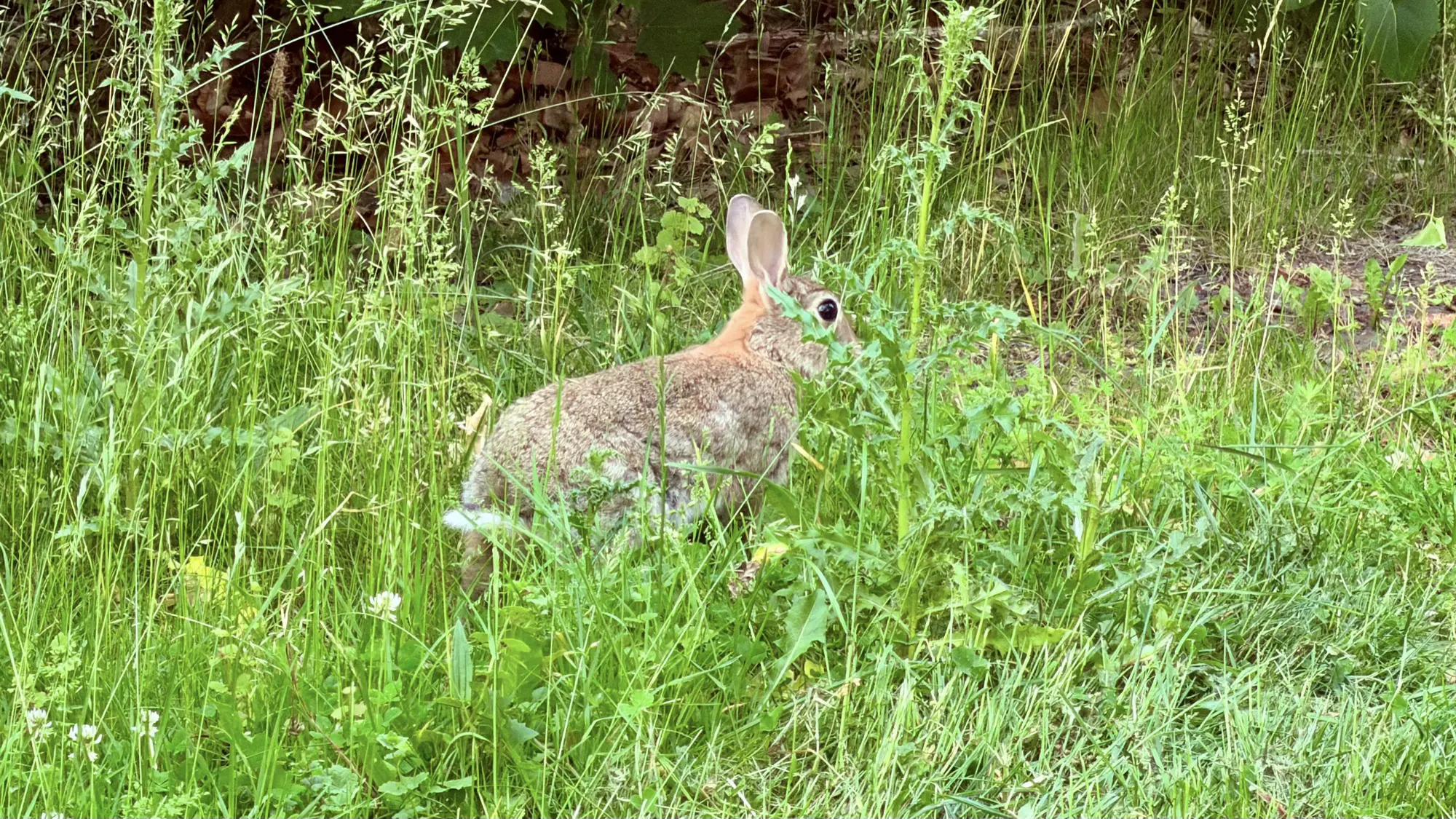
About a month after my employer decided that we would all work from home because of COVID-19, I was in my kitchen preparing lunch when I noticed some movement outside. I had moved into the flat only a couple of months earlier, so I was still getting used to the area. When I looked out of the kitchen window, I saw two rabbits wandering around the yard and eating grass. I was quite surprised.
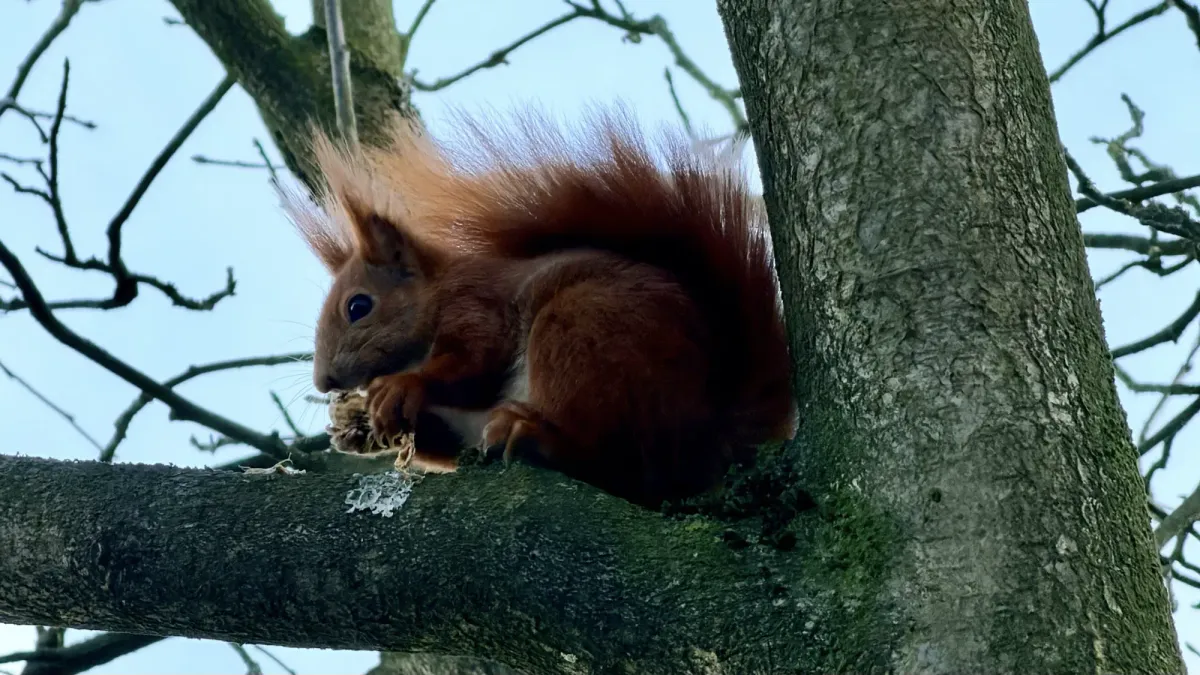
My next surprise came while I was working. My desk is next to the window in my living room, and one day, some movement in a tree caught my attention. When I looked more closely, I saw a squirrel jumping from one tree to another. It was so fast that I could not take a picture.
It was not the only animal that escaped my camera. Another time, while cycling home from a birthday celebration for my friend’s wife in the south of Hamburg, I saw a fox for the first time. As soon as I stopped to take a picture, it quickly disappeared into its den.
Moments like these made me realise how much nature is part of daily life in Hamburg. Even in a large city, you are never far from trees, parks, water and the animals that depend on them. Their presence shows that Hamburg is not only a home for people, but also for many wild neighbours.
Birds Across Hamburg
When I take a walk in Stadtpark, it is hard to miss the ducks and swans around the Stadtparksee. A long walk around the Alster offers a similar experience, although the types of animals change a little. There is even a place called Schwanenwik, which means “shore of swans,” on the eastern side of the Alster. It is full of swans, ducks and geese. You can also see swans at the Binnenalster near Jungfernstieg, where they are often surrounded by tourists.
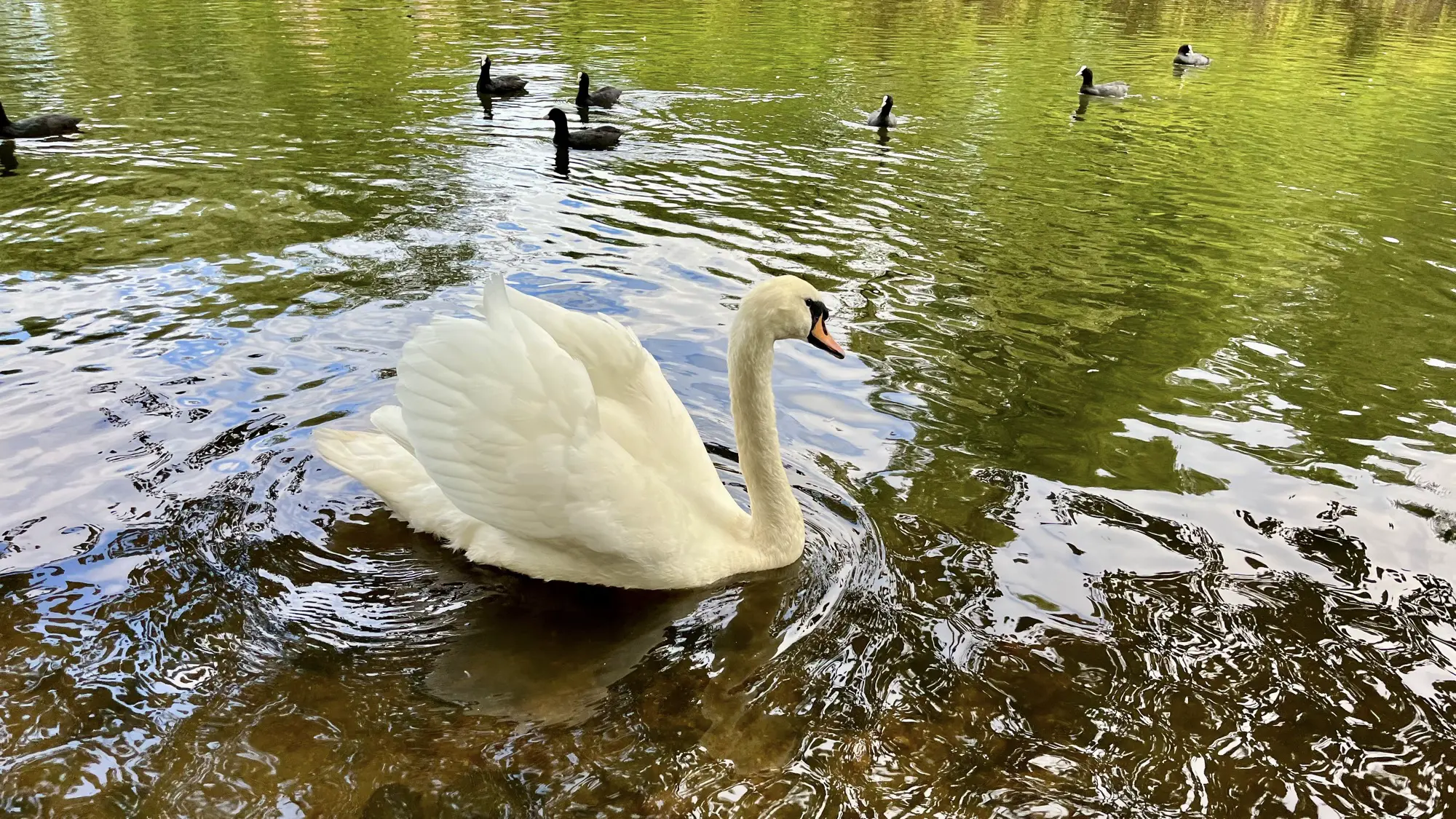
Swans are quite special animals for Hamburg, and their history in the city goes back several centuries. Records show that public money was already being used to feed them in the late 1500s.
In 1664, the Hamburg Senate placed the Alster swans under special protection, making it forbidden to insult, hurt or kill them. Ten years later, in 1674, an official position was created for the person responsible for looking after the swans. The person in this position is known as the “Schwanenvater,” which means “swan father.”
Today, the Schwanenvater cares for sick and injured swans. Before winter, he takes them to a safe winter home and then brings them back to the Alster in spring.
Over time, the swans became living symbols of Hamburg and its freedom. There is even a website about them where you can find more information. According to an old legend, Hamburg will remain a free and successful city for as long as swans continue to live on the Alster.
I find it interesting that the animals we pass during a walk without thinking much about them can be connected to such a long part of the city’s history.
Swans are not the only birds that the city loves. Storks also started to get more attention after NABU introduced a live webcam in 2010. Different pairs have used the nest over the years, and since 2024, people have been able to follow Fiete and Jette as they return from their winter journeys, lay their eggs and raise their young until they are ready to fly.
NABU does more than offer the live stream. It also looks after wet meadows in the nearby Kirchwerder Wiesen, where the storks find frogs, worms, insects and other food.
As you get closer to the Elbe, the birds begin to change again. This is where seagulls welcome you, especially during the Fischmarkt on Sunday mornings. You can see them flying around the people who are enjoying their Fischbrötchen.
Learning Their Names
Seeing so many animals made me think about how few of their names I actually knew. When you learn German at a language school, you usually learn the German words for common animals such as dogs, cats, cows and pigs. However, you do not learn the names of all the animals you might meet during your day, such as crows, squirrels and rabbits. You also do not learn the names of all the different types of birds.
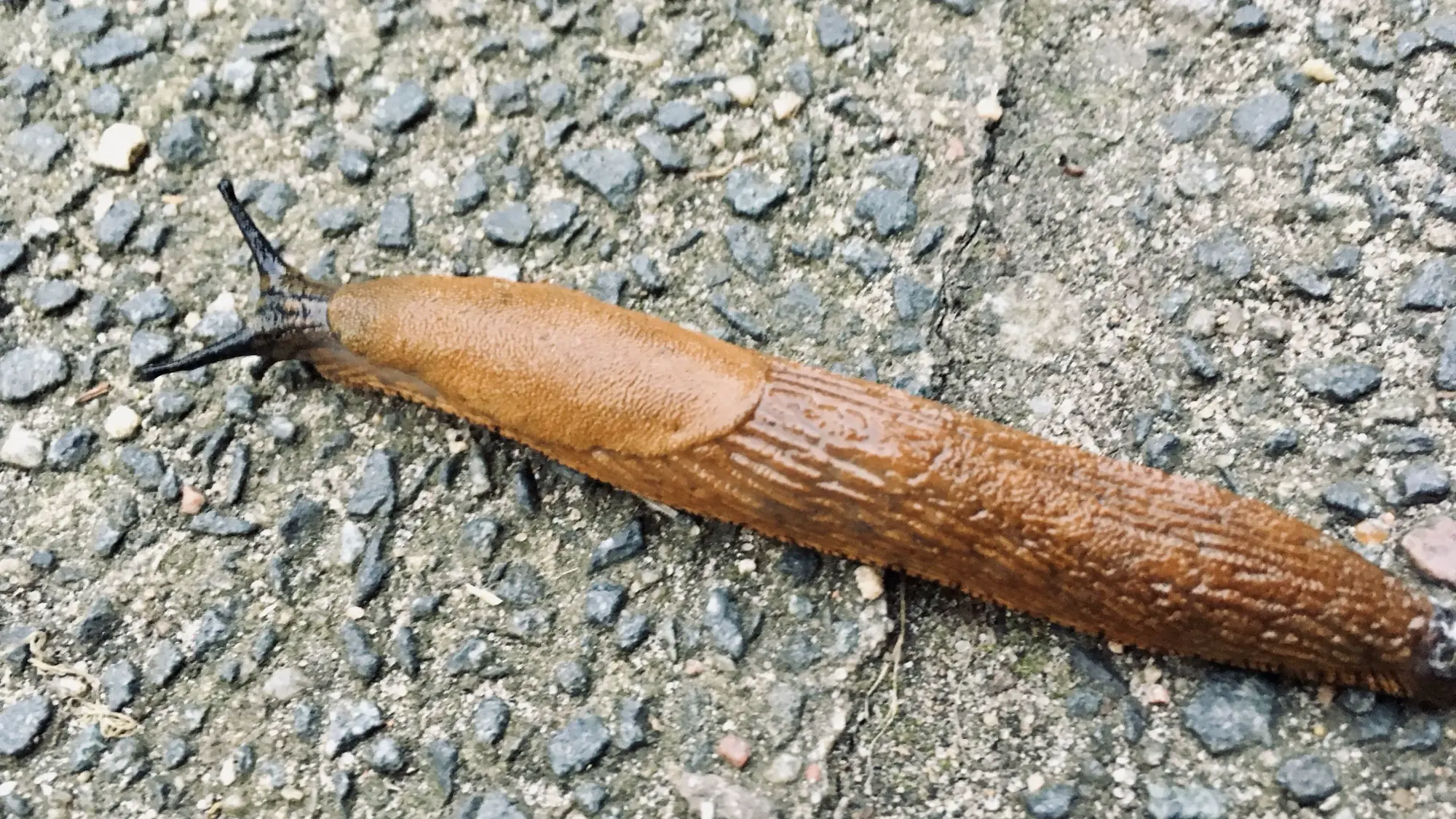
This gap gave me an idea for a new feature in my Franzbrötchen app. I wanted to create something similar to a Pokédex. You would take a picture of an animal, and the app would tell you its name and give you some information about it. That idea sounded simple, but I had to decide how the app would identify the animals.
Nowadays, there are many apps that help people identify things, and some of them send your picture to a server for processing. Instead of depending on that kind of third-party service, I wanted to create my own machine learning model.
Then I found a website called iNaturalist. It is a free online social network and citizen science platform that helps people identify plants, animals and fungi from photos or sound recordings. It has a giant archive of observations, and many of its pictures are available through an open dataset under Creative Commons licences.
Building Tiérdex
Since I was only interested in animals found in Hamburg, I downloaded pictures of those animals and trained a model using around 300.000 pictures of about 100 animal species.
In the end, I managed to create a model that is only around 600 KB and can run directly on an iPhone. This means that there is no need to use a third-party service to identify an animal. All the data and processing stay on the device.
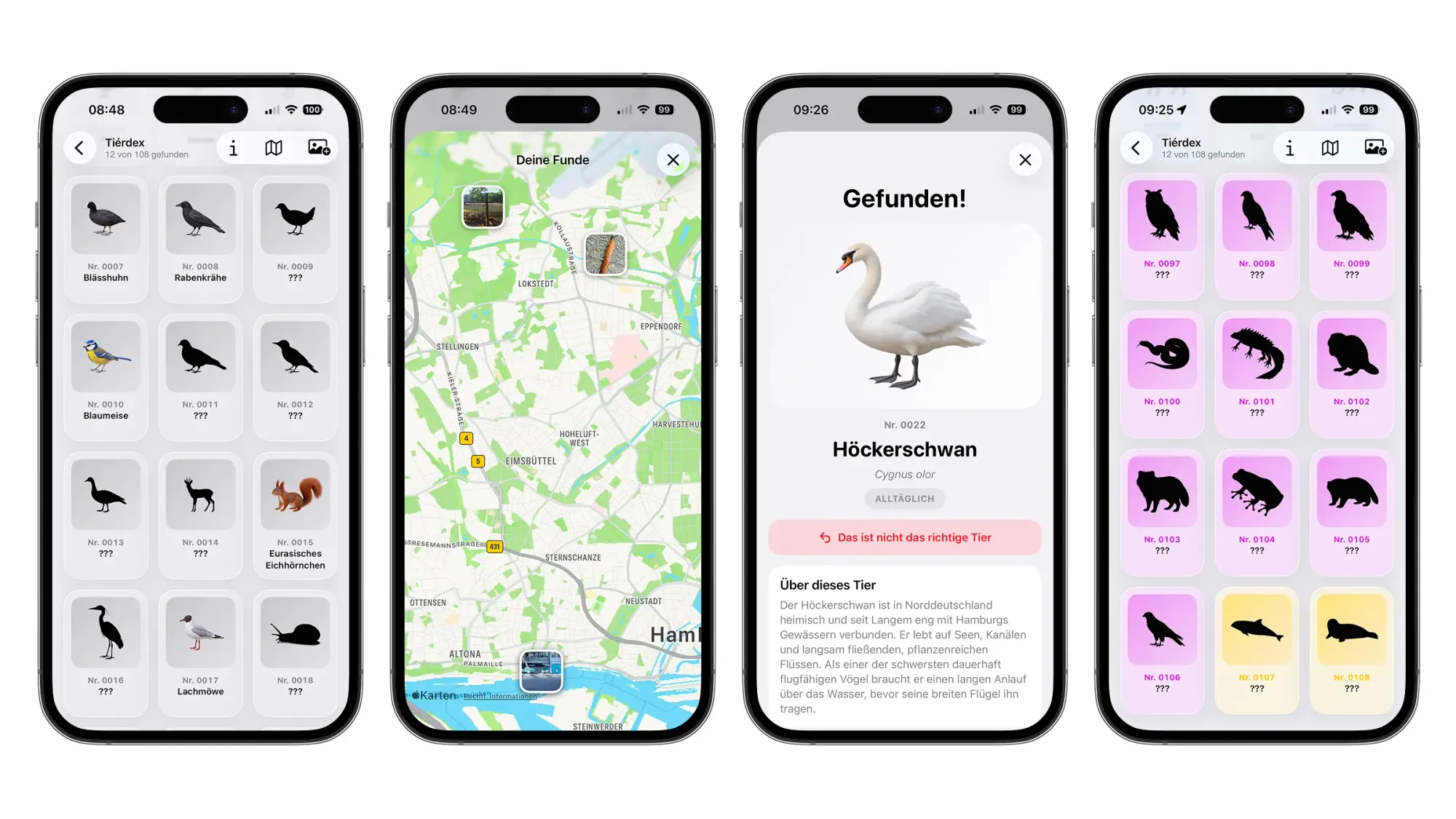
I called this part of the app Tiérdex because I did not want to get into trouble with Nintendo over the Pokédex name. I also created an interface similar to a Pokédex. At first, you can see all the animals that you might find, but you cannot see their names. When you add your own picture of an animal together with its location, you unlock that animal. You can also see all your pictures on a map.
The Stories Behind the Animals
While I was building Tiérdex, the app became more than a way to learn animal names. It also helped me find out more about the animals living in Hamburg and the stories connected to them.
One of the first things I noticed was the large number of birds. Almost half of the animals in Tiérdex are birds, and this is not a coincidence.
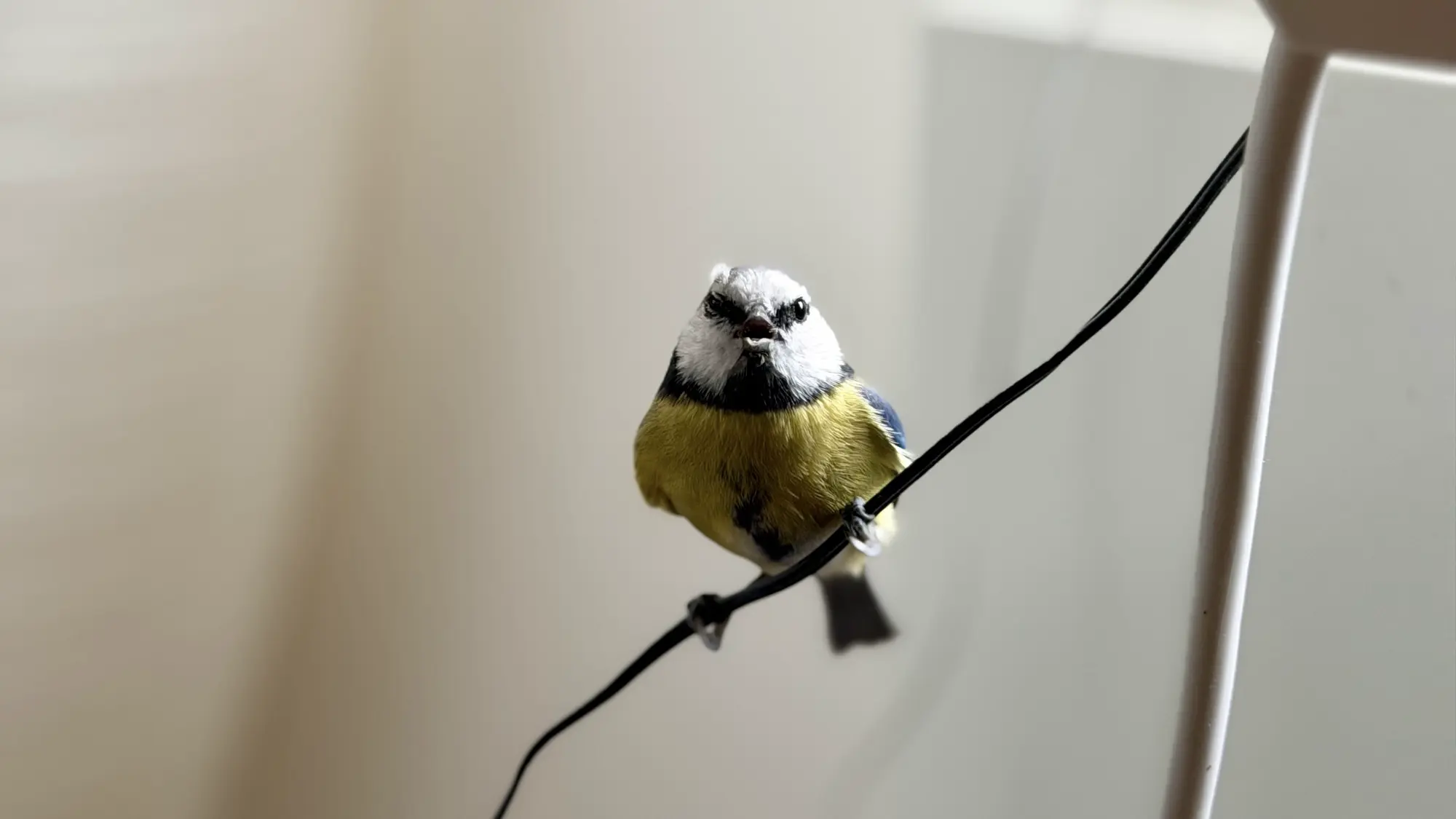
Hamburg brings many different types of natural areas together in one city. The Elbe, the Alster, canals, lakes and wetlands attract waterbirds, while parks, gardens and old trees offer homes to birds that live in woods and gardens. Hamburg is also on important bird migration routes, so the types of birds you can see change during the year.
Then I learned about a special bird, the kestrel. Kestrels are natural cliff nesters, but they also use high buildings as places to build their nests. In 2003, local scouts built a nesting box high in the tower of the Michaelis-Kirche in Neugraben. Since then, kestrels have used the box for breeding every year.
I have to say that I like the German name for this animal, Turmfalke, because it literally means “tower falcon.”
Another thing I discovered was that some of Hamburg’s animals were brought to Europe by humans and somehow managed to survive and grow in number. One of them is the nutria, which came from South America and was brought to Europe for fur farming. Raccoon dogs have a different story. They came from East Asia and were introduced into Europe as animals that could be hunted for their fur.
Creating Tiérdex also changed the way I looked at familiar animals. For example, I discovered that the seagulls I see at the Fischmarkt are not simply seagulls, or Möwen in German. They include birds called Lachmöwen and Silbermöwen.
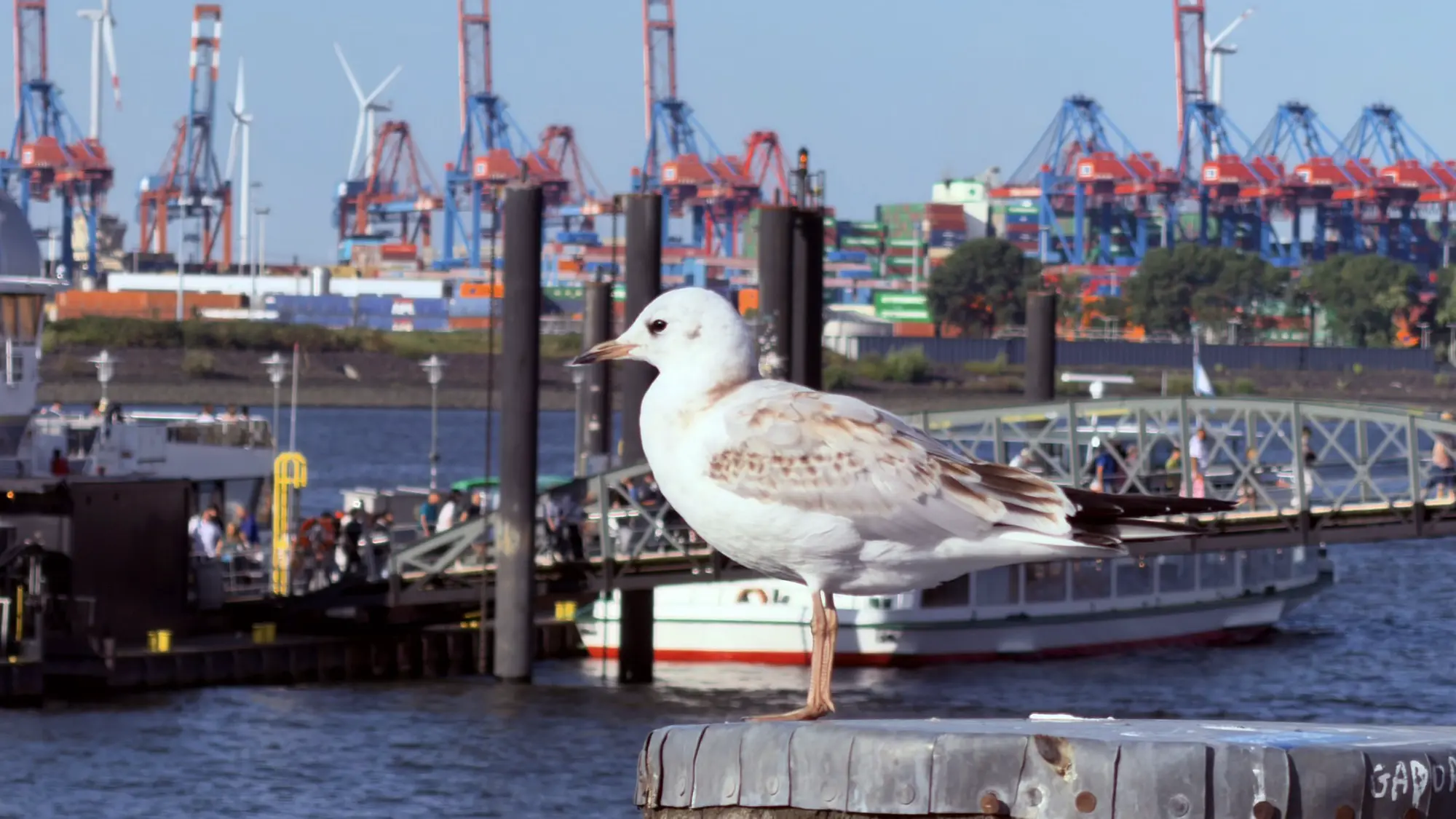
The Lachmöwe, or “laughing gull,” is especially interesting because it is one of the animals that the machine learning model struggles to identify. A Lachmöwe normally has a dark chocolate-coloured head, but it loses its dark head feathers after the breeding season. Young birds also do not have the same dark head.
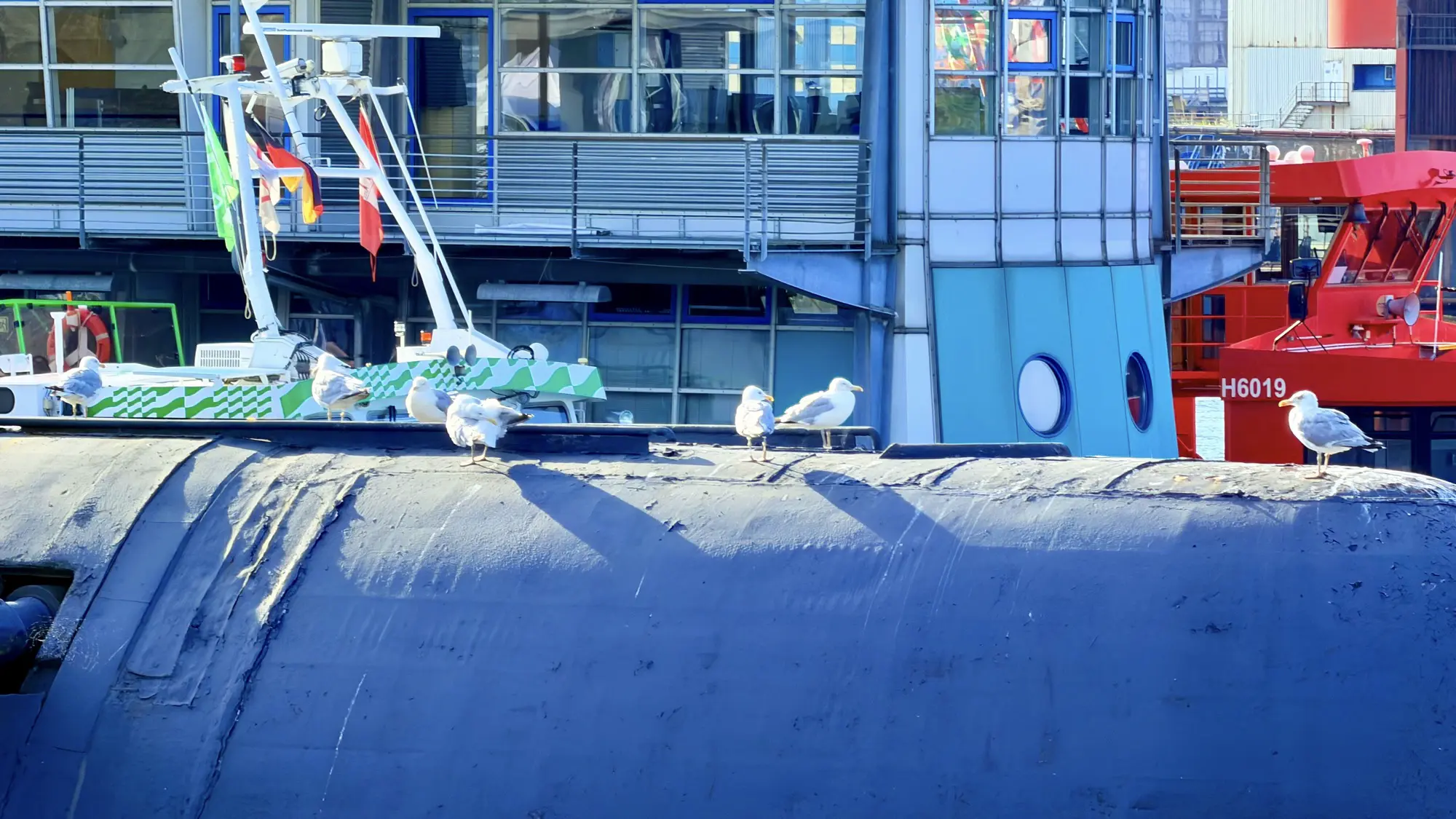
Because of this, they can look similar to Silbermöwen, and the model sometimes mixes them up. Later, I found out that you can recognise a Silbermöwe by the red gonys spot on its bill.
Not every animal in Tiérdex lives in Hamburg throughout the year. Some travel up the Elbe from the North Sea, following spawning fish. These visitors include harbour seals, called Seehunde in German, and harbour porpoises, called Schweinswale.
You have to be lucky to see them, but they gave me another idea for Tiérdex. I could add a rarity scale with five levels: Everyday, Common, Rare, Very Rare and Legendary. Each level could also have its own colour. I decided that the animals coming to Hamburg through the Elbe would be the Legendary ones. After all, the Elbe is the river that makes Hamburg, Hamburg.
Building Tiérdex has changed the way I walk around Hamburg. Now, when I hear a bird singing or notice a sudden movement from the corner of my eye, I stop and try to find where it came from. Sometimes I take a picture, and sometimes I simply enjoy the moment. Hamburg’s wild neighbours were there all along. I only needed to slow down and look.