Boberger Niederung: Eight Habitats in One Nature Reserve
A short trip to Boberger Niederung revealed a side of Hamburg I never expected, with sand dunes, lakes, woodland and gliders all in one nature reserve.
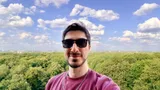
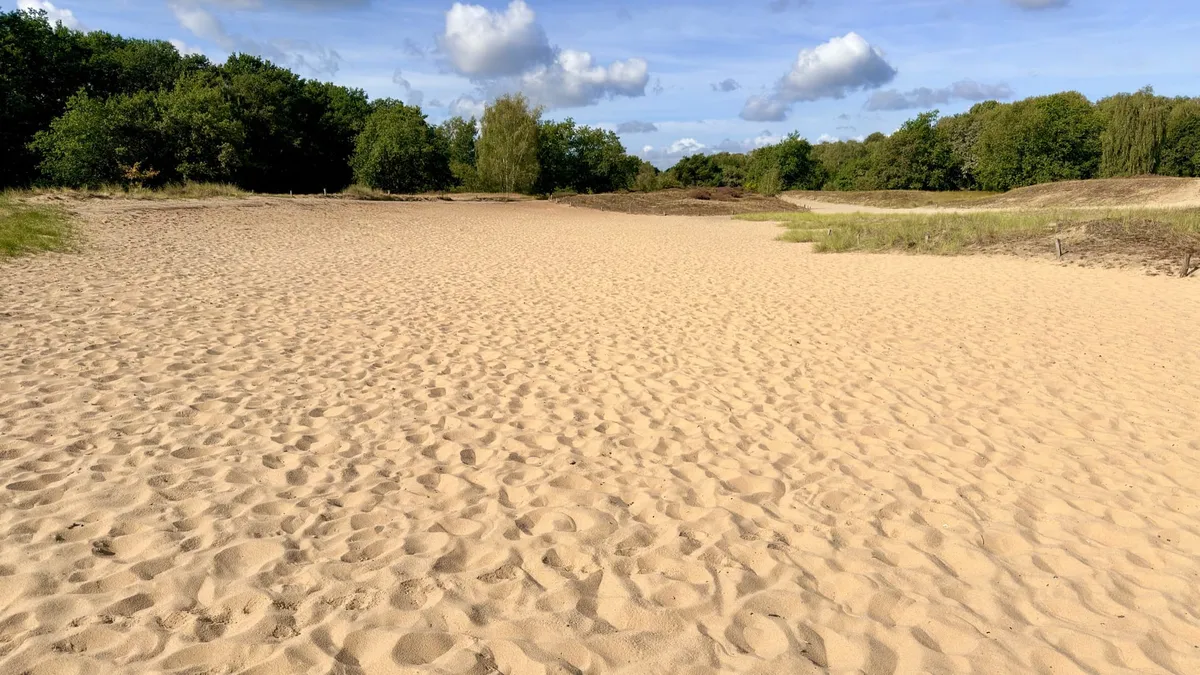
It was a normal week until I received a message from a former colleague. He asked if I wanted to join him for a hike at the Boberger Dünen.
I have a simple rule: when someone invites me somewhere, I usually say yes. Since I work from home, I already spend most of my time there. Still, before accepting his invitation, I wanted to know where the Boberger Dünen were and why he thought I might like the place.
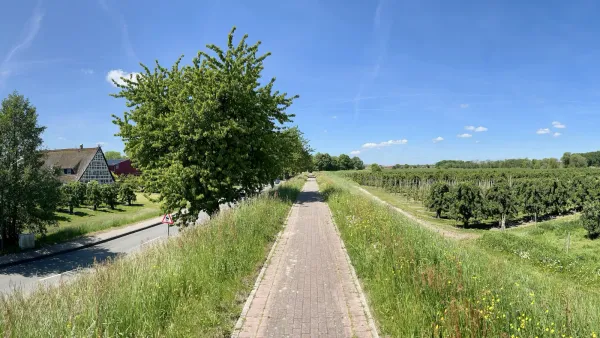
I started by searching for it online. When I saw the pictures, I could hardly believe that a place like this was so close. There were large areas covered in sand dunes. I checked the map and found that it was near Bergedorf, still within Hamburg’s city limits.
That led to another question: Were the dunes natural or artificial? Their story began during the Ice Age, when melting glaciers carried large amounts of sand into the Elbe valley. After the water disappeared, strong winds shaped the exposed sand into inland dunes across eastern Hamburg. Most of these dunes were later removed and used for construction. The Boberger Dünen survived as the last large part of this old landscape.
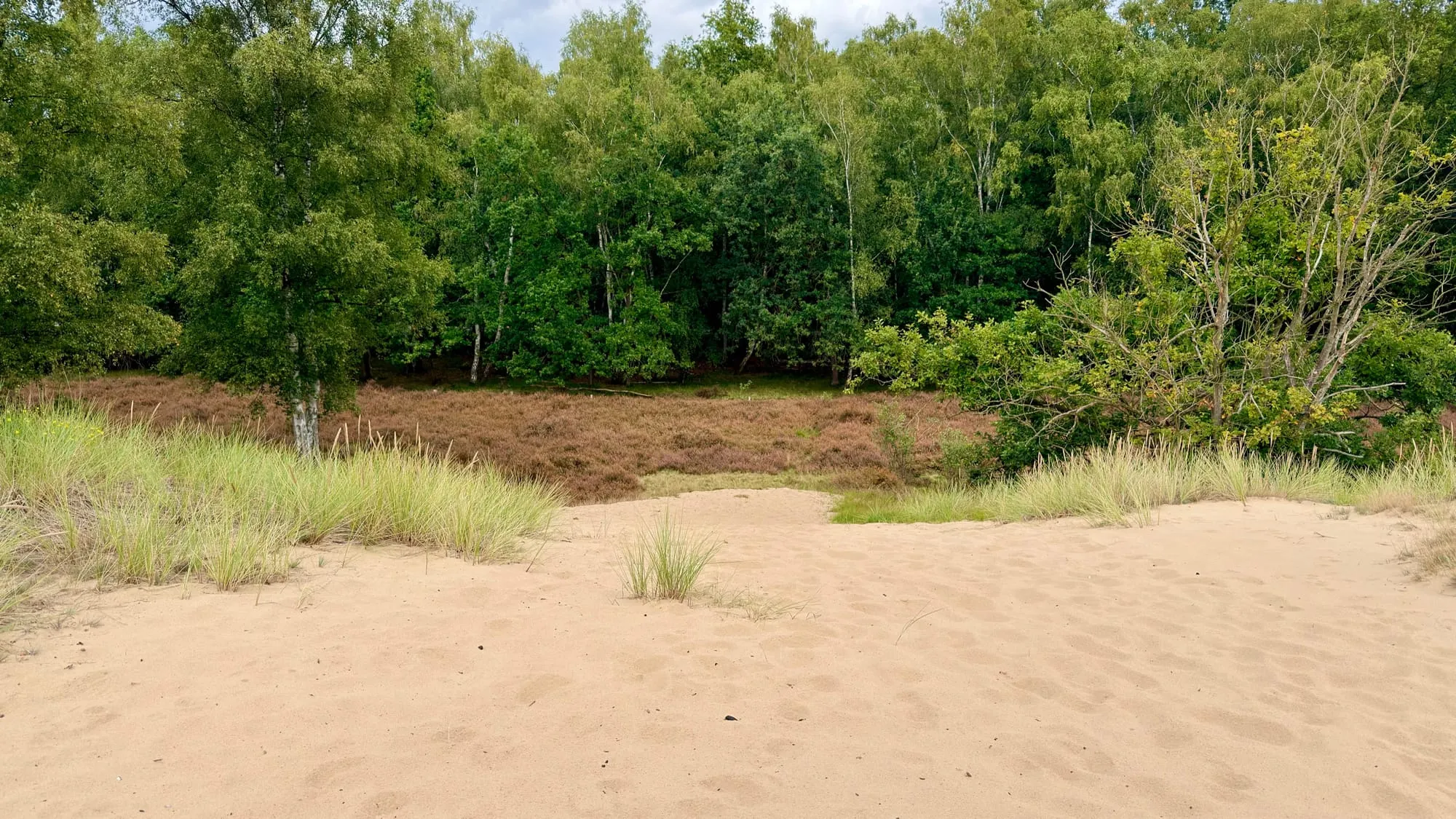
The area around the dunes became a protected nature reserve in 1991 and was expanded in 2025, with the Loki Schmidt Foundation now running the Boberger Dünenhaus and coordinating many conservation activities.
The more I read, the more interested I became. The Boberger Dünen are only one part of the much larger Boberger Niederung. The nature reserve contains eight different habitats:
- Dry dunes: Sandy hills with little water, where only strong plants can survive.
- Heath: Open land covered mainly with small shrubs such as heather.
- Bogs: Wet, acidic ground with peat, moss and plants that can live in these special conditions.
- Lakes: Freshwater areas where fish, frogs and waterbirds live.
- Reed beds: Thick areas of reeds beside the water, offering shelter to birds and insects.
- Marsh meadows: Wet grasslands that sometimes flood and are home to many flowers and birds.
- Woodland: Areas of trees and bushes that provide food and shelter for animals.
- Orchid slopes: Sunny hillsides where several rare wild orchids grow.
Once I understood how special the place was, I agreed to join my friend. We planned to meet at Berliner Tor station on Saturday morning, take the S7 to Mittlerer Landweg and then continue with bus 221 to Boberger Furtweg.
Four Paths Through the Reserve
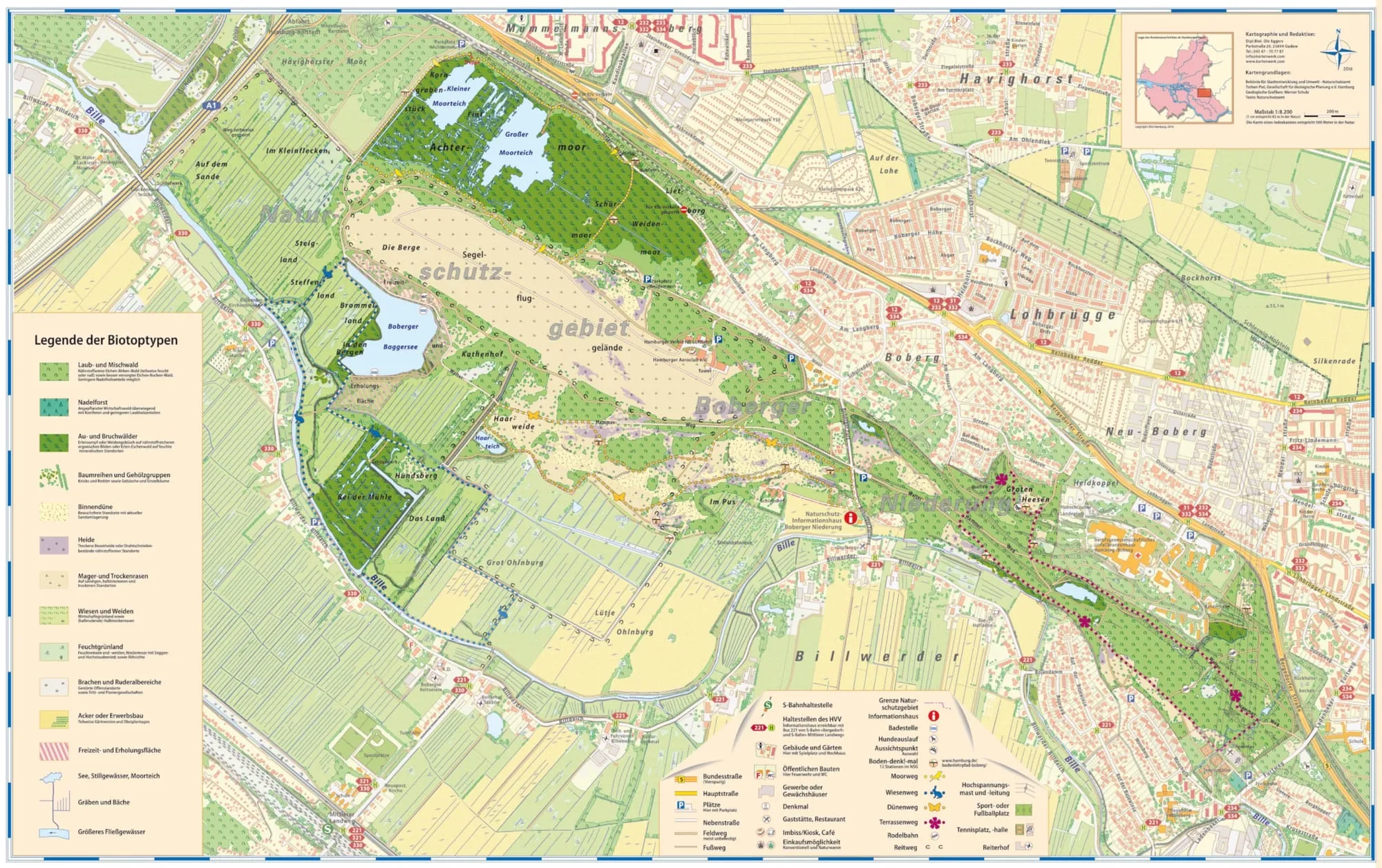
The nature reserve covers around 464 hectares, so it can be difficult to know where to begin. You want to see as much as possible without walking along the same paths again and again. Luckily, four marked routes pass through the reserve:
- Dünenweg, marked with a butterfly: Dunes and heath
- Moorweg, marked with a bird: Bogs, ponds and woodland
- Terrassenweg, marked with a flower: Orchid slopes and woodland
- Wiesenweg, marked with a hare: Marsh meadows, water and reed beds
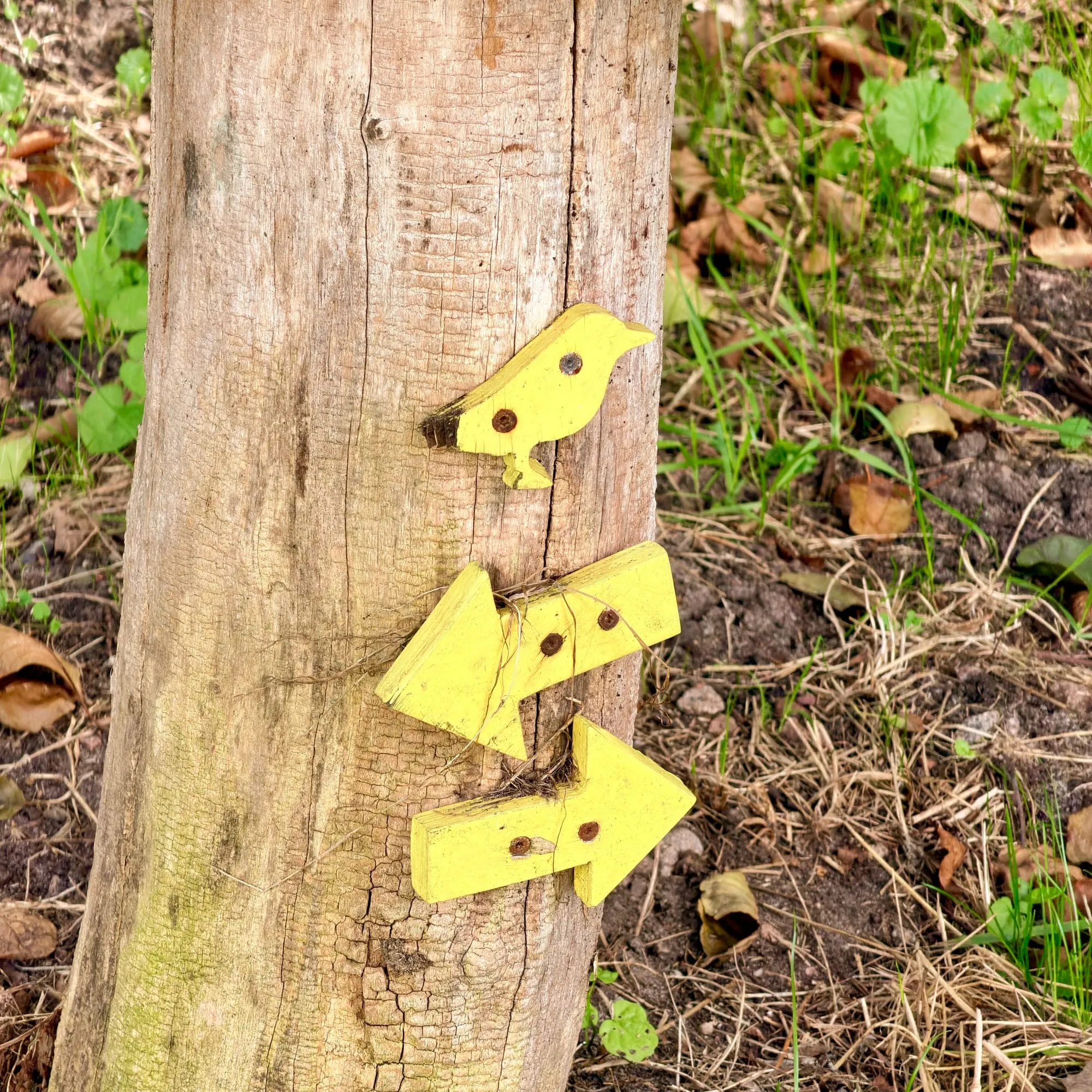
The routes are shown on the reserve’s map, so you can combine them and create your own walk depending on what you want to see.
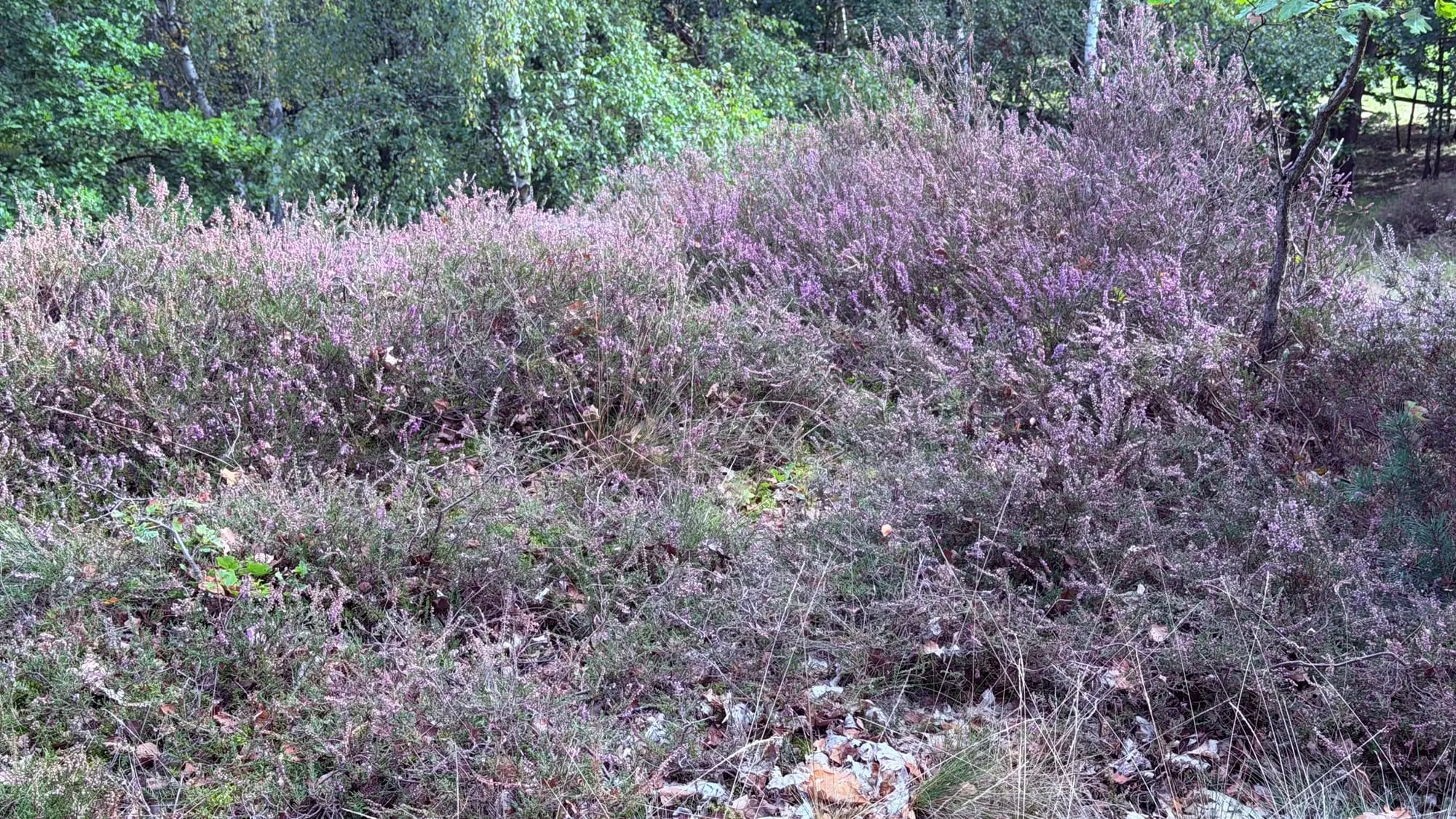
We began with the Dünenweg. After following a path surrounded by heath, we reached the dunes. It was hard to believe that we were still in Hamburg. A group of people was doing yoga on the sand, which made the place feel even more unusual.
Small butterfly signs showed us that we were still following the right path. At one point, we even saw a real butterfly while walking along the butterfly route.
After reaching the Haarteich pond, we changed to the Wiesenweg, marked with a hare. There, we met a group of older women who had been on our bus earlier that morning. They had left the bus before us, so when they saw us again, one of them joked, “Were you waiting for us?”
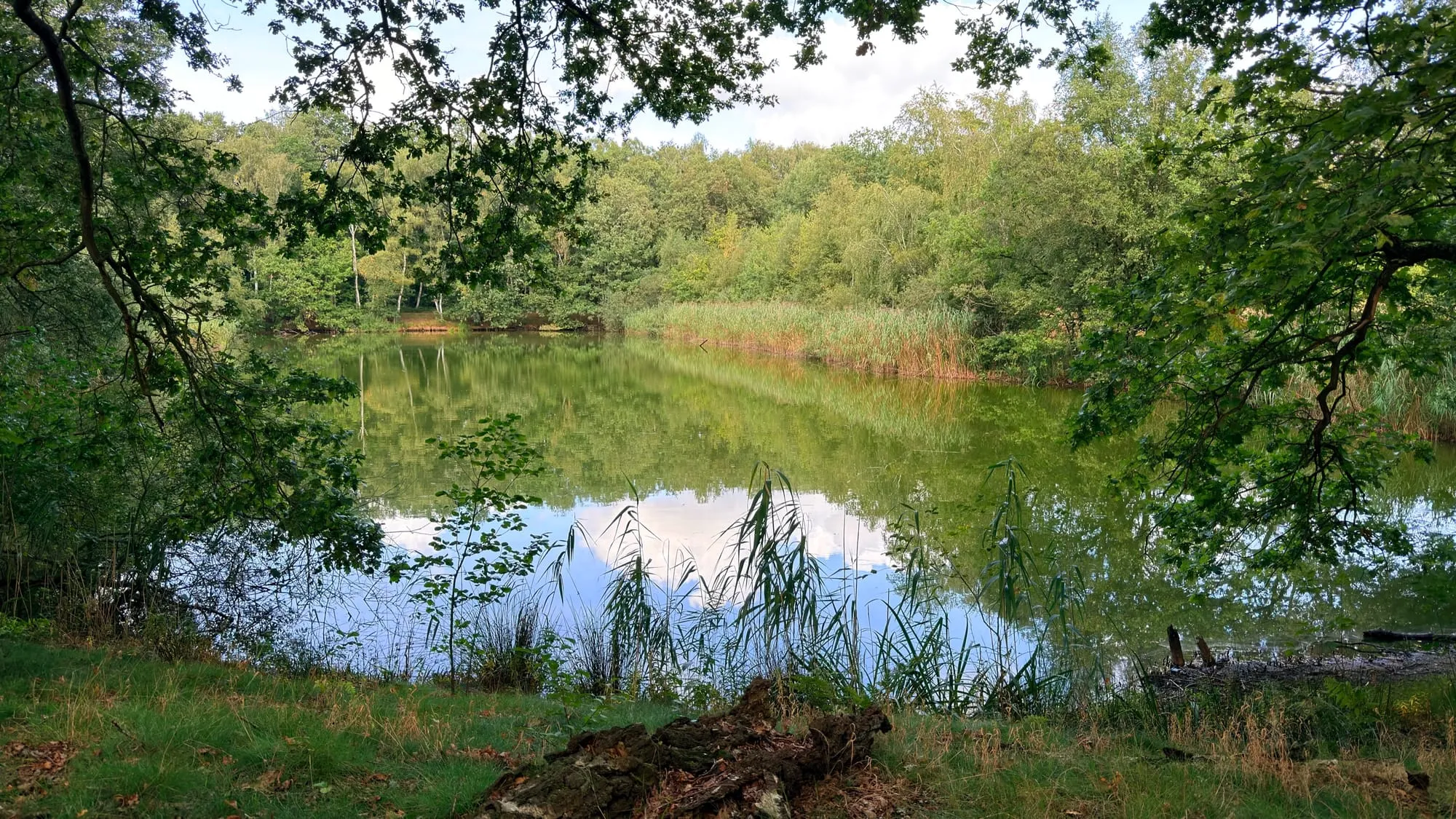
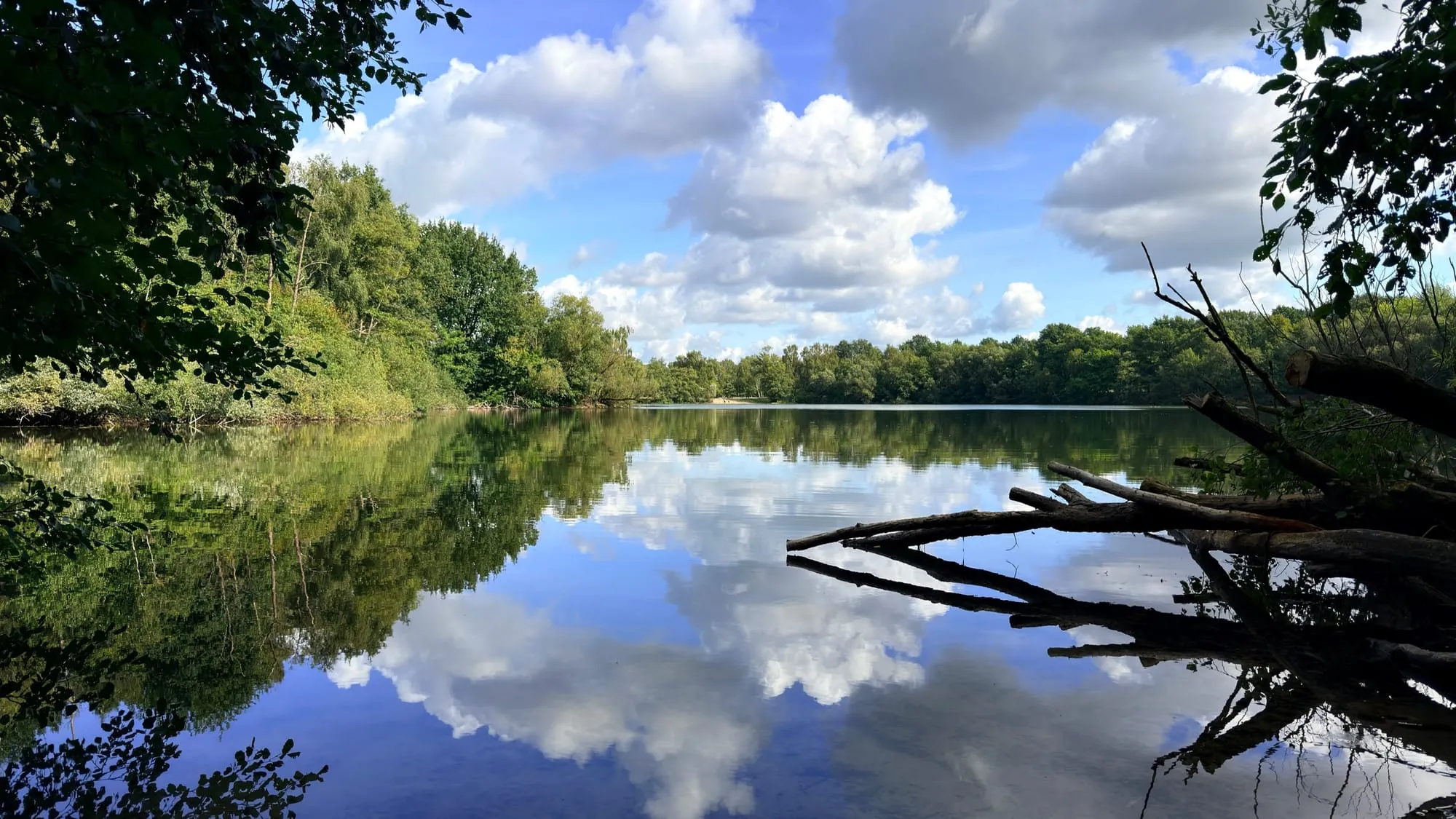
We continued through the woods until we reached the far end of the Boberger See. The water looked very clean. It is a public swimming lake, so in warmer months you can stop there, take a break and go into the water.
Our next plan was to follow the upper part of the Moorweg. After walking for some time, however, we found that the path was closed. Dioxin had been discovered in the soil beside it in 2018. The pollution probably came from industrial waste linked to pesticide production that had been illegally dumped there with soil and construction waste during the 1960s.
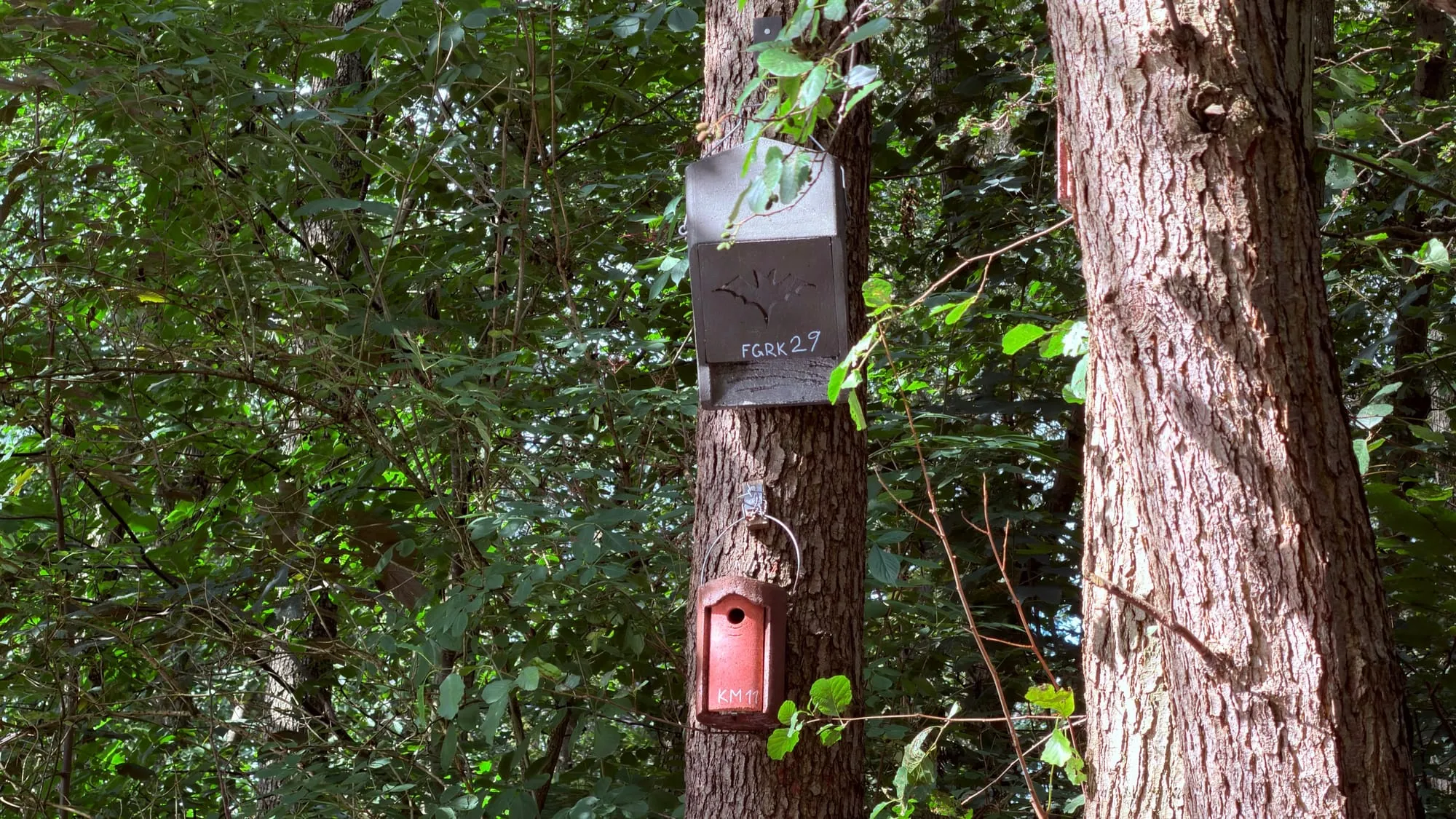
Since we only noticed the closure after walking for a while, we had to turn around. Before heading back, we took a break in the forest. That was where we noticed several boxes placed in the trees for birds and bats. We then returned to the dunes using the lower part of the Moorweg. This was also where I saw people gliding for the first time.
Gliding Above the Dunes
On our way to the Boberger Niederung, my friend had talked about gliding again and again. I have to admit that I didn’t understand why he was so excited. For some reason, I imagined people launching small model planes into the air and watching them come back down.
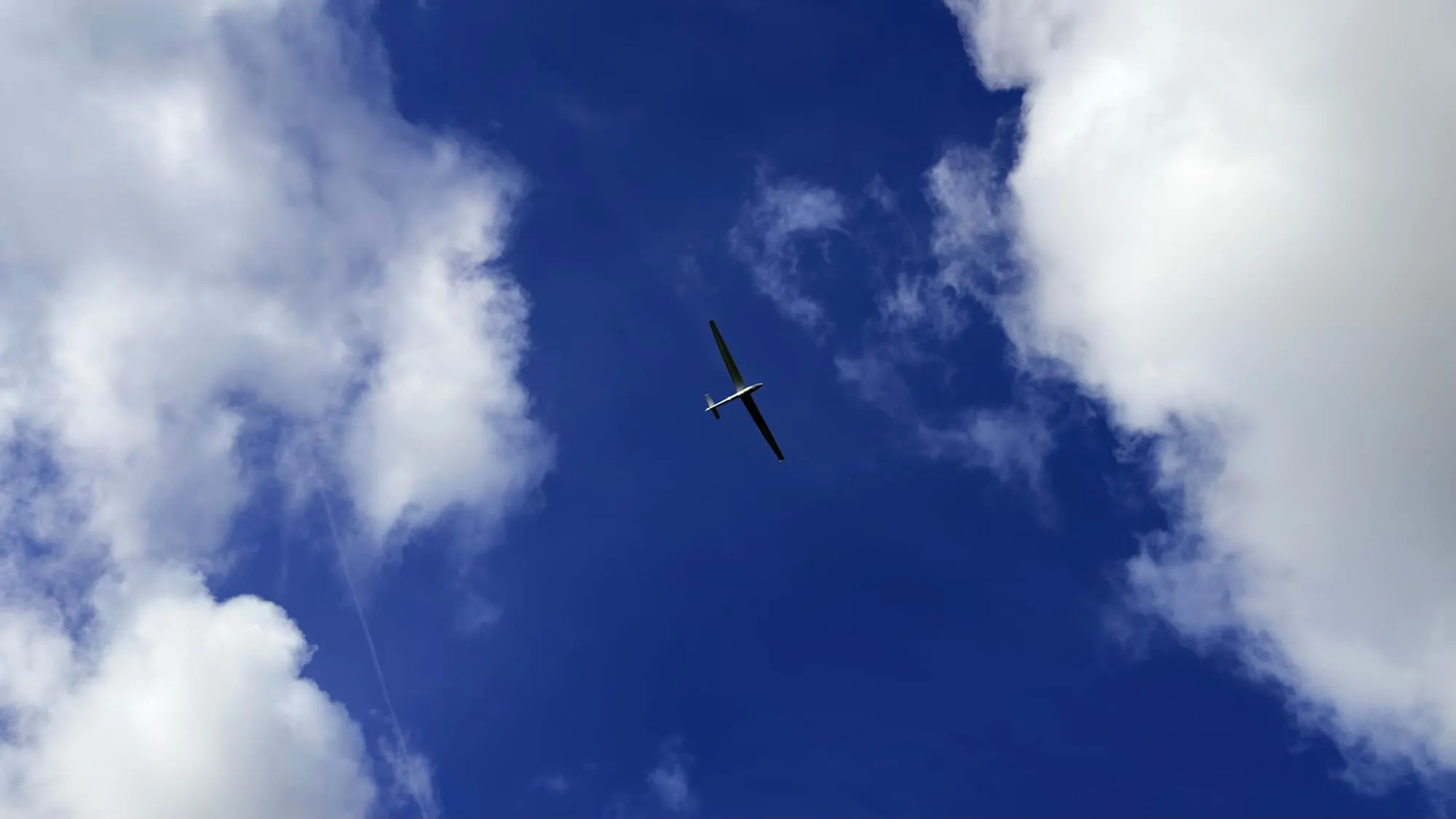
I finally understood when we got off the bus and saw the planes. They were not small at all. They were carrying people! During our walk, we saw many of them flying above the reserve. Or, to use the correct word, gliding. These planes do not have engines.
We wanted to finish our walk near the place where the gliders were taking off. I first thought it was a small company offering flights, but it turned out to be the Hamburger Aero Club Boberg.
With more than 300 members, it is one of Germany’s largest gliding clubs and arranges around 6.000 flights each year. The club also teaches beginners how to fly. More than 30 instructors provide both practical lessons and classroom training. During the main season, from March to October, gliders can often be seen quietly circling above the reserve.
A strong winch on the ground pulls the gliders into the air. Once released, the pilots look for rising warm air and use it to climb higher and stay in the sky without an engine. After the flight, they return and land in the same area.
The most exciting part is that you do not have to be a member to experience it. Visitors can sit in the passenger seat of a two-seat glider and take a short flight for only €50. Unfortunately, we could not try it because they were fully booked.
While we watched several gliders take off, I noticed cars driving back and forth to return the winch cables. It looked very inefficient to me. I kept wondering why they did not use another system, or at least an electric bike.
There was also a café beside the launch area. Like us, many visitors were sitting nearby and watching the planes. Unfortunately, the café was closed, which was bad news because we were very hungry after our long walk.
The Journey Home
On the way back, we had to choose another route. Otherwise, we would have needed to wait more than half an hour for the bus. This was when I realised that coming by bike might have been easier than using public transport.
As we made our way back to the bus stop, I also realised that we had completely missed the Terrassenweg. It was on the other side of the road that divides the nature reserve.
We walked, or rather climbed, towards the centre of Boberg through streets lined with modern houses. From there, we took the XpressBus X32 to Wandsbeker Chaussee.
During the ride, I thought about how many different things Hamburg has to offer to people who enjoy discovering new places. Whenever my friends ask why I do not travel very often, I make the same joke: “Well, we have everything in Hamburg.” After this trip, I learned that Hamburg also has dunes and a gliding field.
The best part about taking the X32 was that its final stop was directly in front of Restaurant Sepideh, a Persian restaurant I had discovered thanks to an Iranian friend. Since we were both very hungry, it felt like the perfect place to finish the day. I ordered Tschelo Kabab Kubideh with half a litre of Dough. It was the perfect end to our trip.