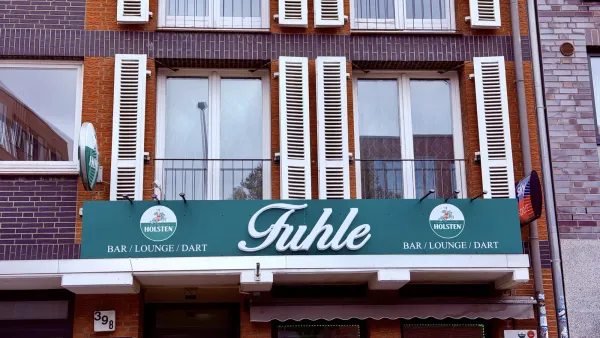
Fifty Shades of Klinker: The Bricks That Shaped Hamburg
From historic warehouses to modern homes, Klinker has shaped Hamburg’s colors, character, and identity for generations.

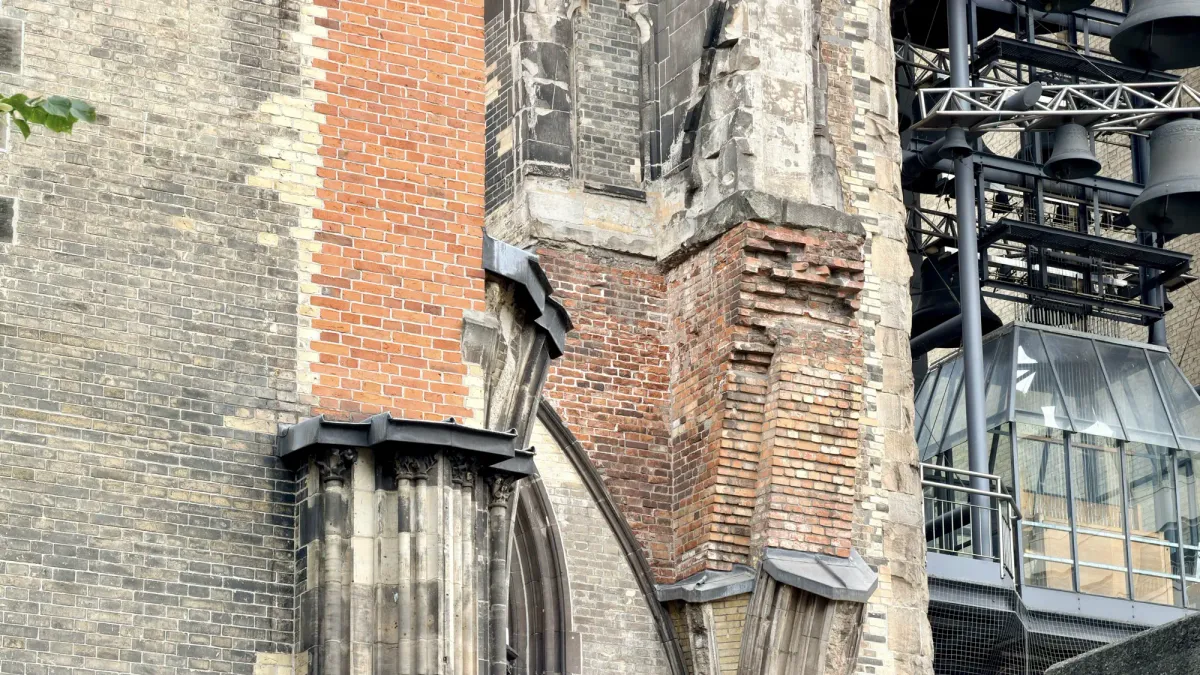
The trees were not the only thing that caught my attention when I first saw Hamburg through the plane window. I also noticed the rows of houses covered in red brick. Even before I landed, the green of the trees and the warm color of the buildings had formed my first picture of the city.
I do not know exactly where the charm of these bricks comes from. Maybe it is because each one looks a little different. Maybe it is the thought that someone placed them there one by one. Or perhaps it is the way they look beside the trees. Whatever the reason, buildings made of Klinker always fascinate me, and I often stop for a while just to look at them.
That is why I started to wonder why Hamburg has so many brick buildings. This simple question led me to the history of Klinker, the way it is made, and the role it played in shaping the city. The more I learned, the more I felt it was time to write about it.
History
Backstein and Ziegel are general German words for brick, while Klinker is a special type fired at a very high temperature. This makes it harder and less likely to absorb water. Its name comes from the clear ringing sound it makes when struck. Although we often think of Klinker as red, it can also be brown, purple, or almost black.
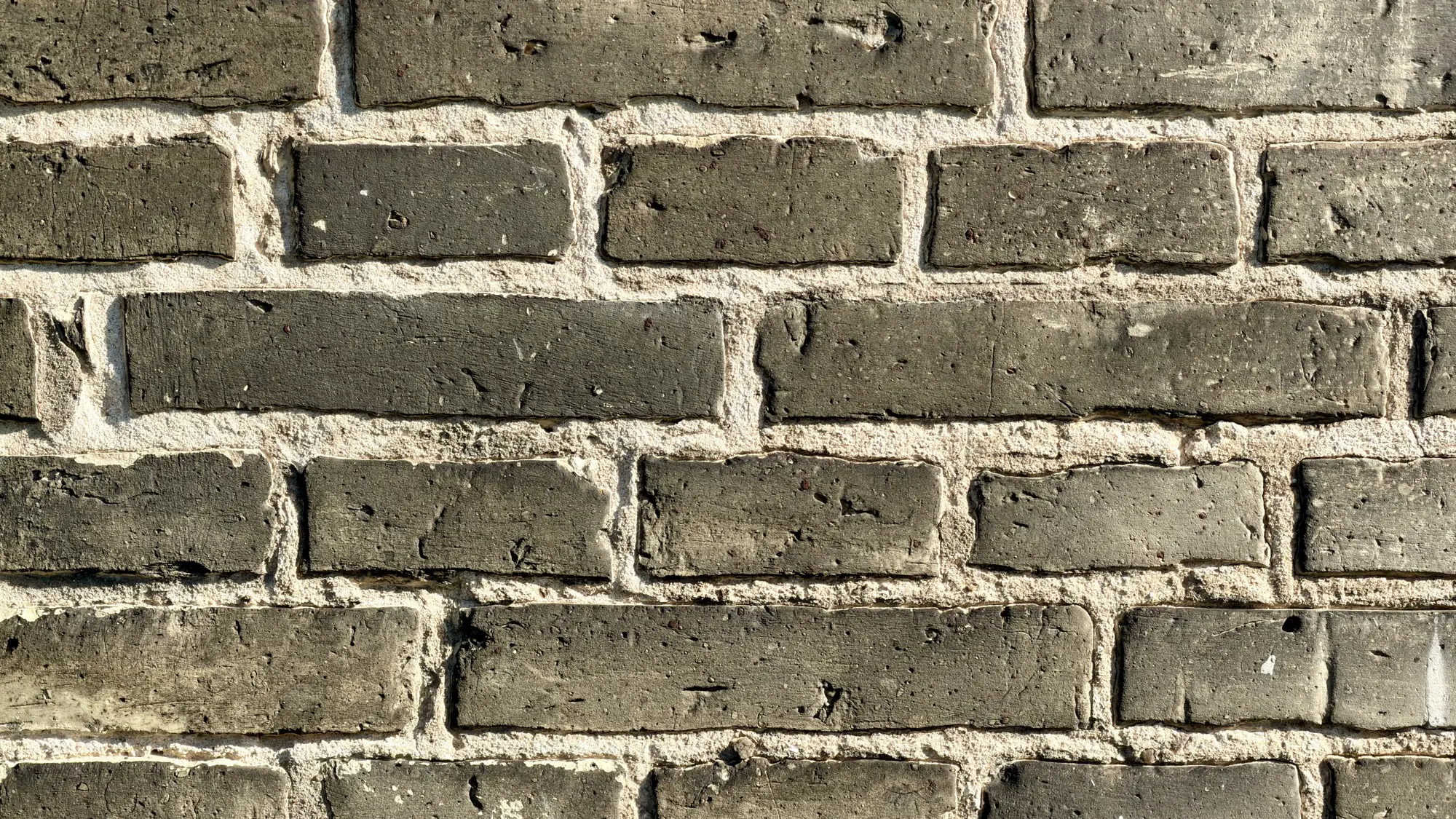
Brick has been used in Northern Germany and around the Baltic Sea for centuries. In many parts of the region, natural stone was difficult to find, but clay was easy to get. People used what the land gave them, and over time brick came to define the local building style.
The material was also a good match for Hamburg’s weather. Klinker can handle rain, frost, and damp air, and it needs little care. It is also much safer against fire than timber. In a city shaped by water, cold weather, and several large fires, these were important qualities.
One turning point was the Great Fire of 1842. It burned for several days and destroyed more than a thousand buildings in the old city. The rebuilding brought stricter rules. The use of wood was limited, fireproof walls became more important, and brick construction became more common.
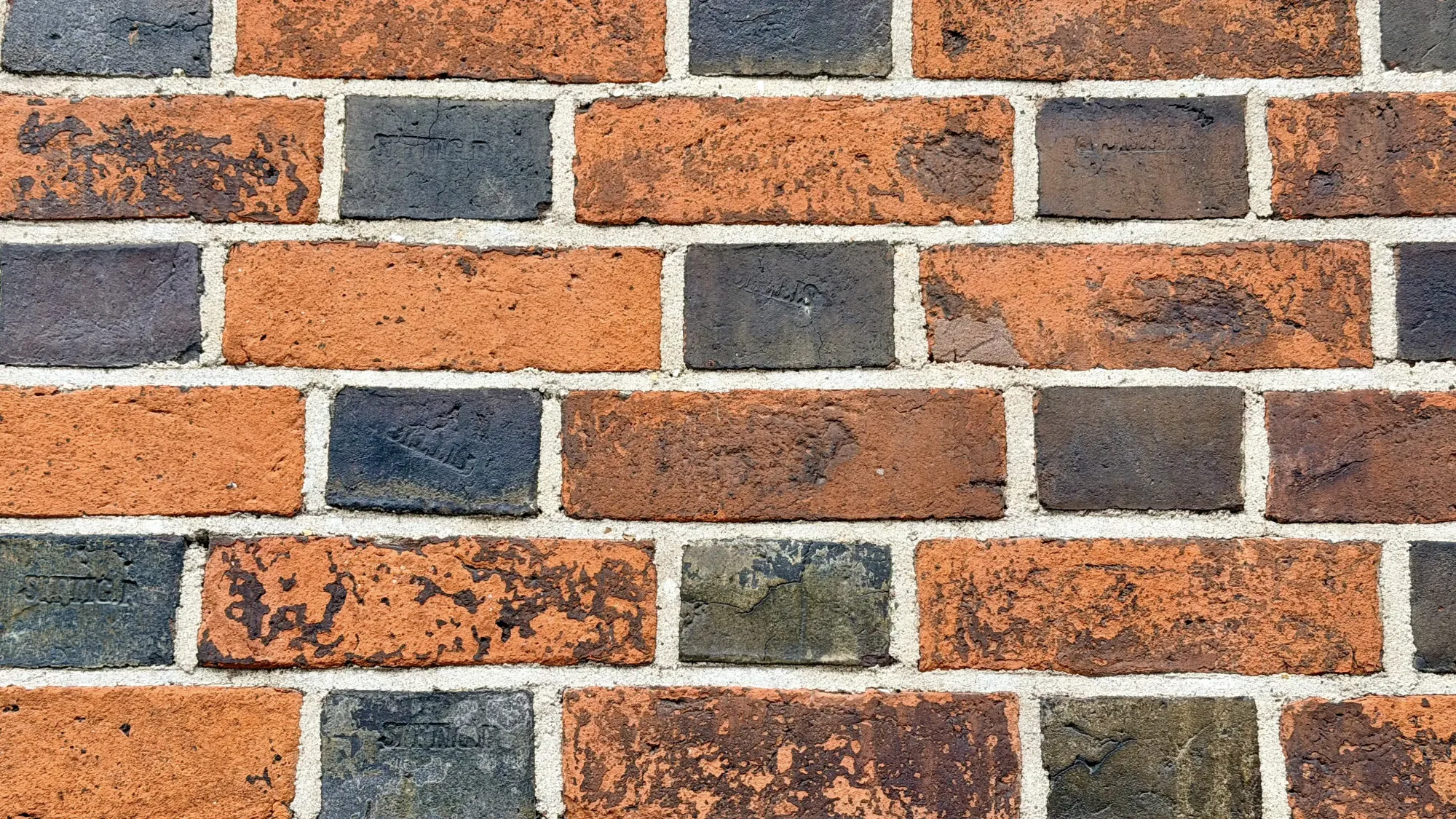
Another turning point came with Fritz Schumacher. As Hamburg’s building director from 1909 until 1933, he helped turn brick from a local material into one of the city’s main visual features. He worked on schools, public buildings, parks, streets, and housing areas, making them feel connected even when they served different purposes. During the same period, Brick Expressionism brought new shapes, patterns, and shades to Hamburg’s walls. This is why Klinker feels like more than a material here. It became a piece of the city’s identity.
How Klinker Is Made
Before reaching Hamburg’s streets, many of the city’s bricks began their journey in clay-rich areas in and around the region. These included Vierlande, Neuengamme, the Lower Elbe marshes, Oldenburg, and East Frisia. From there, boats carried them to Hamburg along the waterways.
The process starts by digging clay or shale from the ground. It is crushed, cleaned, and mixed until it has an even texture. The mixture is then shaped into a long block and cut into separate bricks with wires. Some are shaped in molds instead. Before firing, they must dry slowly so they do not crack.
The dried bricks are placed in a kiln and fired at around 1.100 to 1.300°C. At this heat, the particles in the clay begin to join and the small pores start to close. This process, called sintering, makes Klinker very hard and allows it to take in very little water.
This NDR documentary follows the full process at a traditional producer in the Elbe marshes. It shows how 250.000 Klinker bricks were made for the facade of the Tichelhaus in Hamburg, from digging the clay to placing the finished bricks on the building.
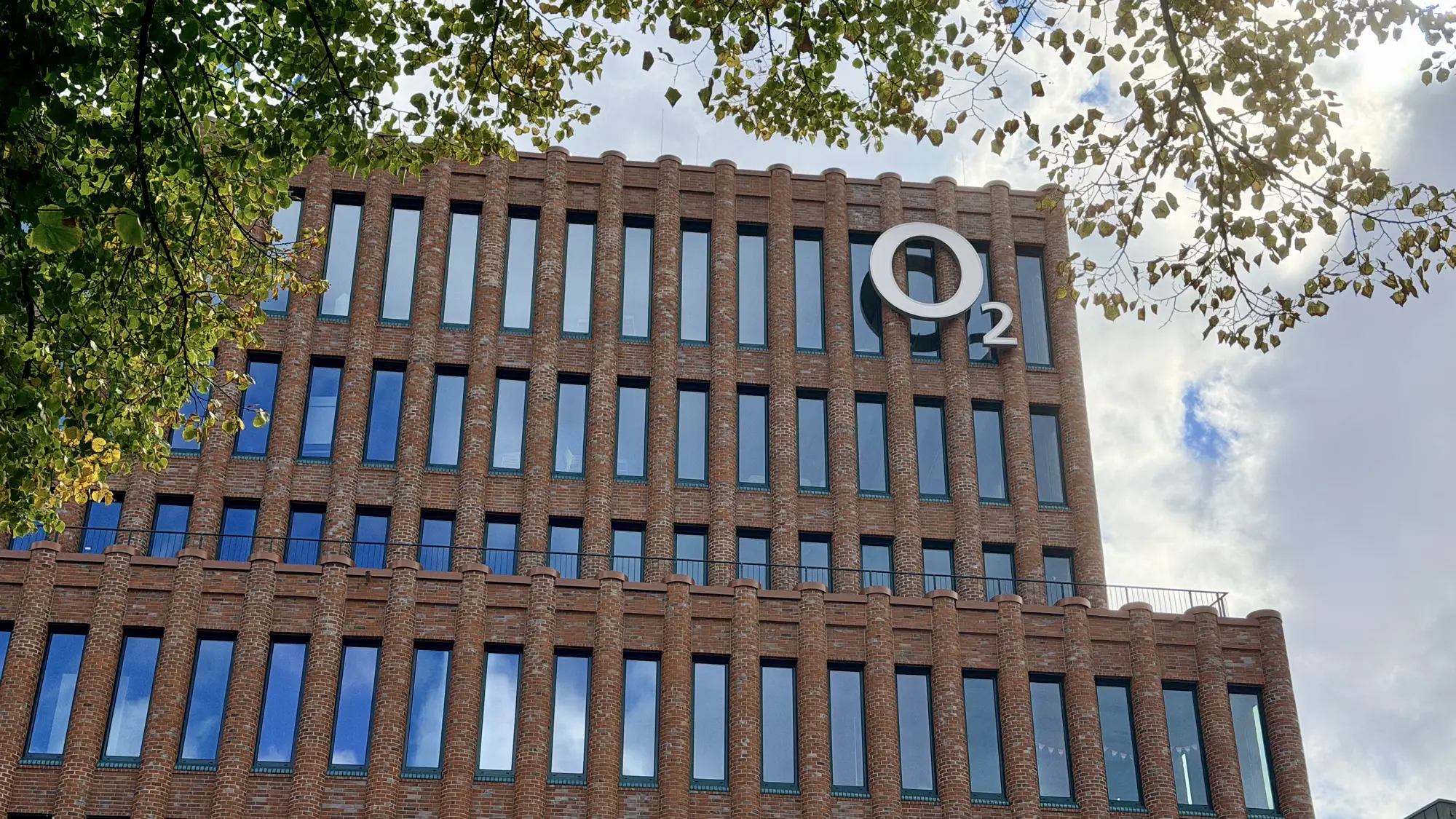
The color of Klinker comes mainly from the minerals inside the clay and the conditions in the kiln:
- Red or orange: Iron-rich clay fired with enough oxygen.
- Dark red or brown: More iron, greater heat, or a longer time in the kiln.
- Blue-red, violet, or blue-black: Less oxygen during firing changes the iron in the clay and creates darker colors.
- Brown or black: Manganese in the clay, either naturally present or added before firing.
- Yellow, cream, or beige: Clay with more lime and less iron.
- Gray or white: Pale clay with very little iron, sometimes with a high amount of kaolin.
- Green or turquoise: Copper or chromium compounds added before firing.
The surface can also be changed with sand, glazes, mineral coatings, or thin layers of colored clay called engobes. In older kilns, the flames, fuel, and position of each brick affected the result. Temperatures were not the same in every area of the kiln, giving each brick a slightly different color. This is why many old Hamburg facades contain a mix of shades instead of one perfect red.
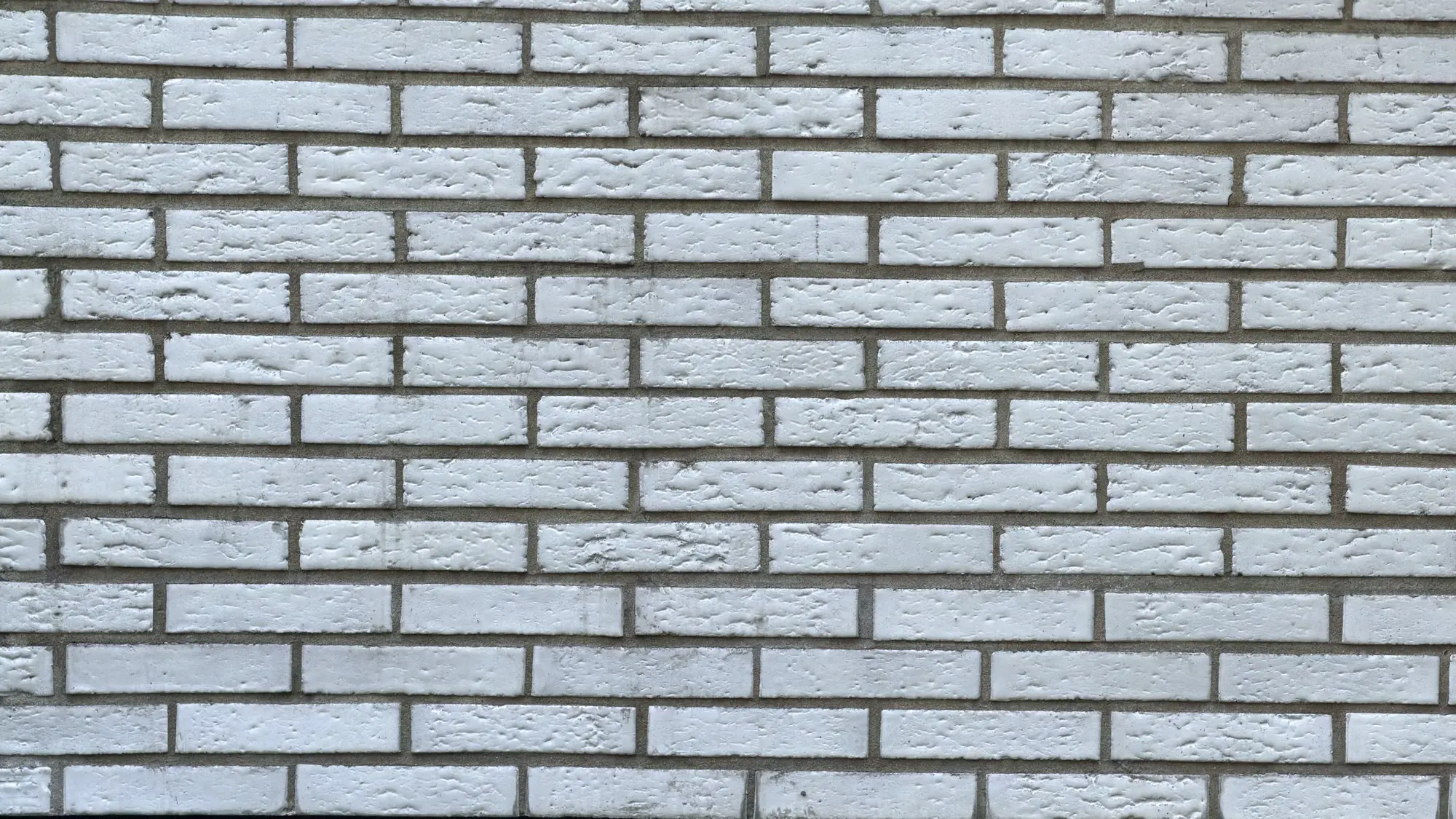
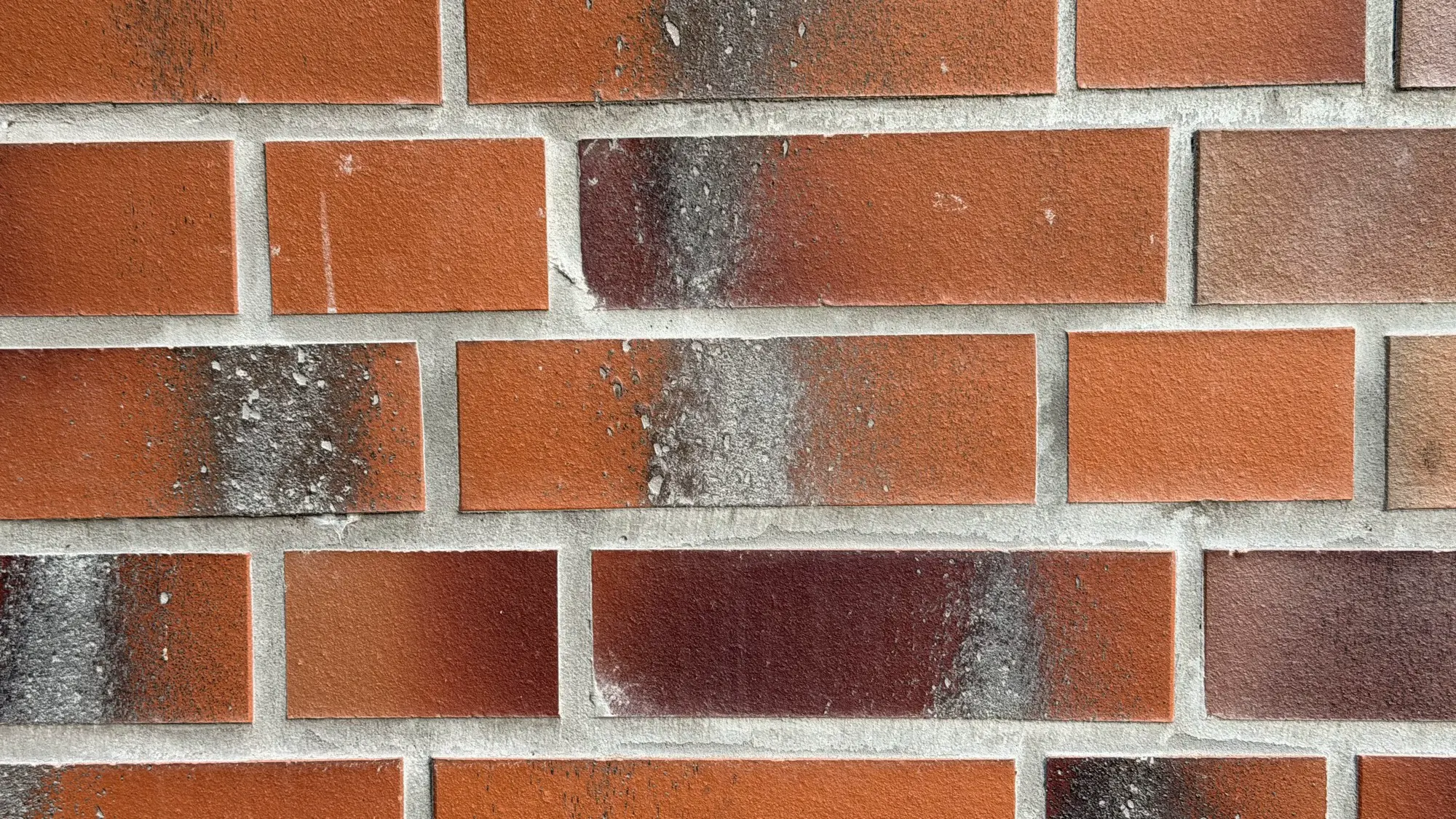
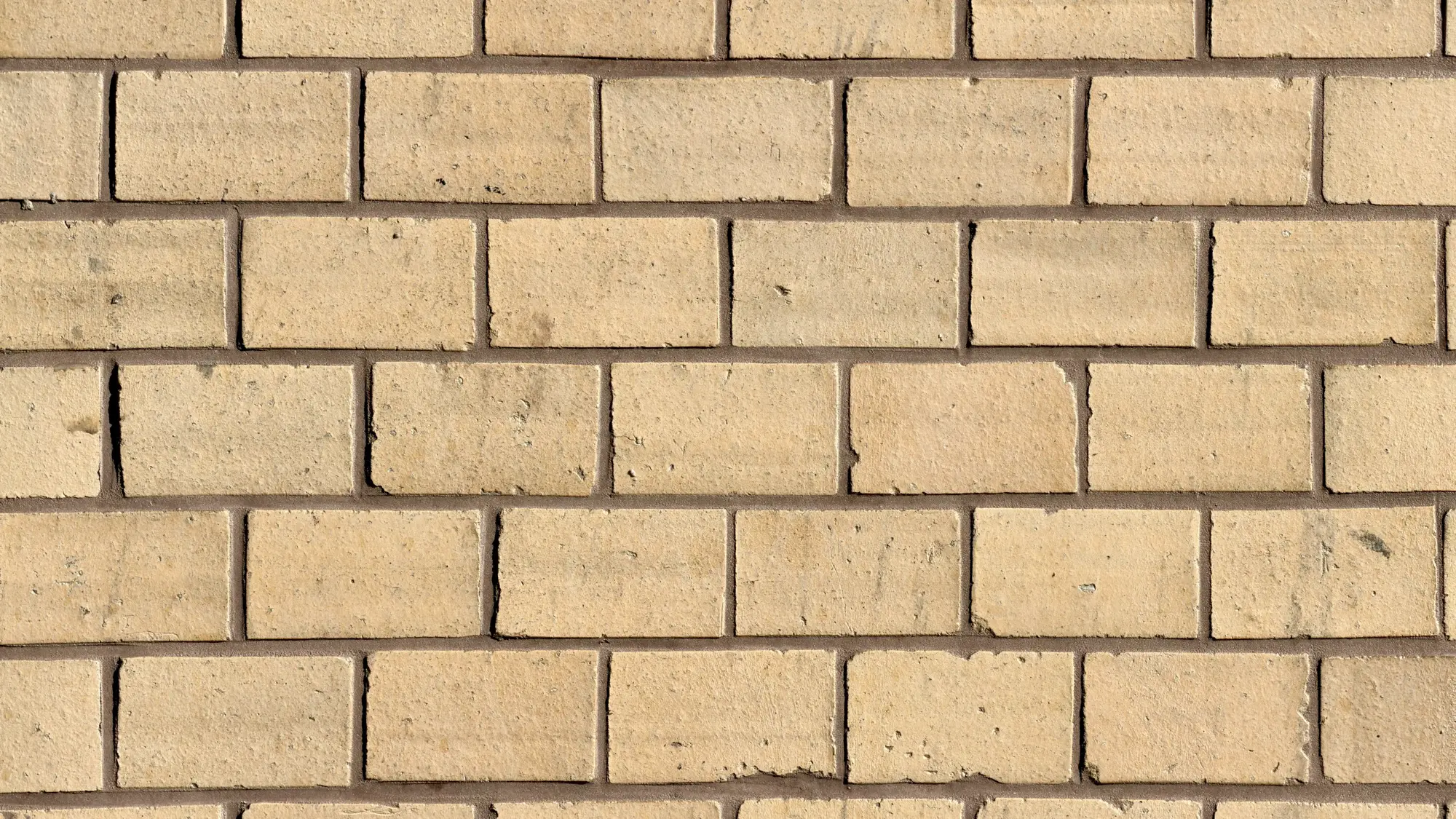
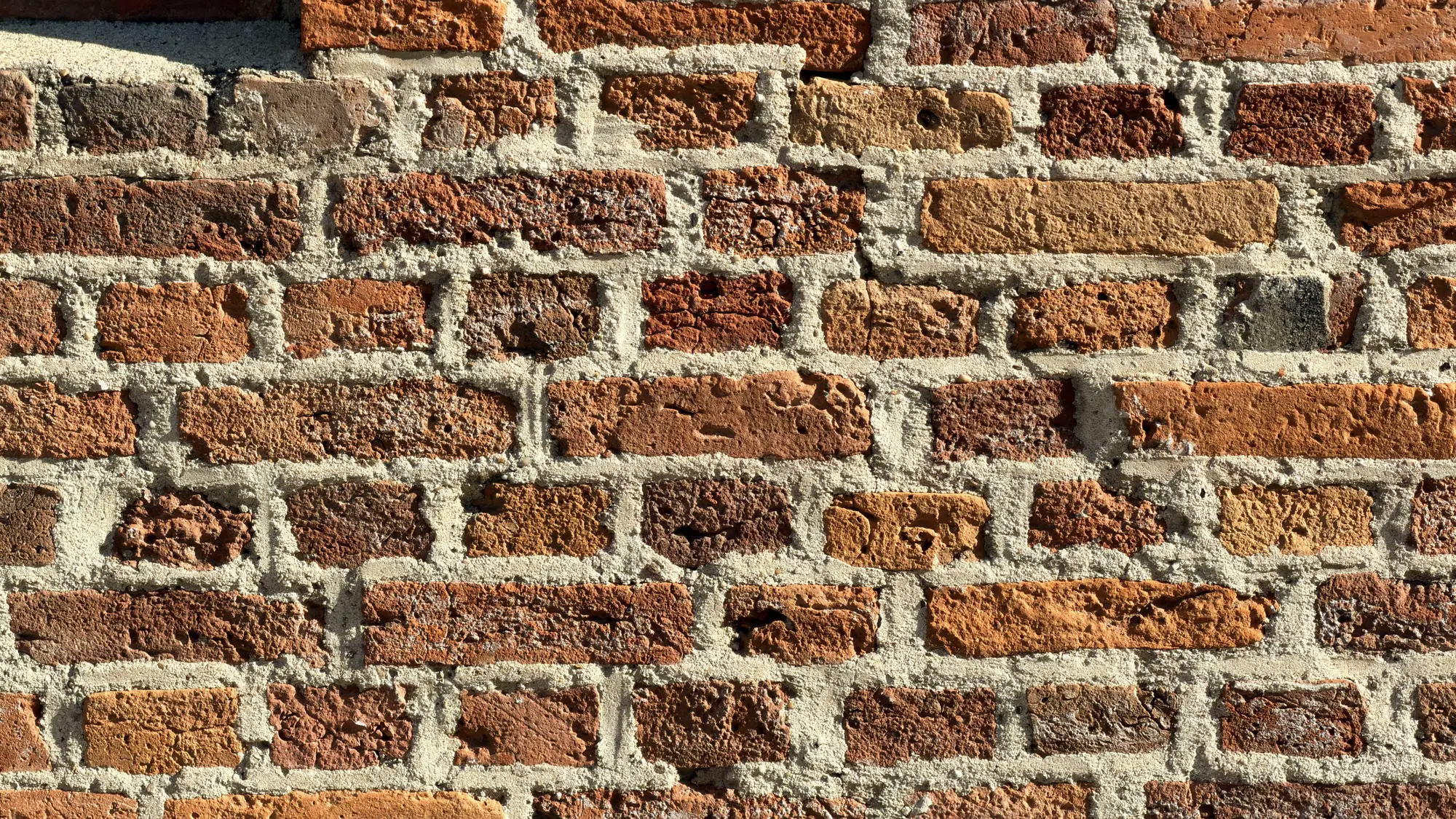
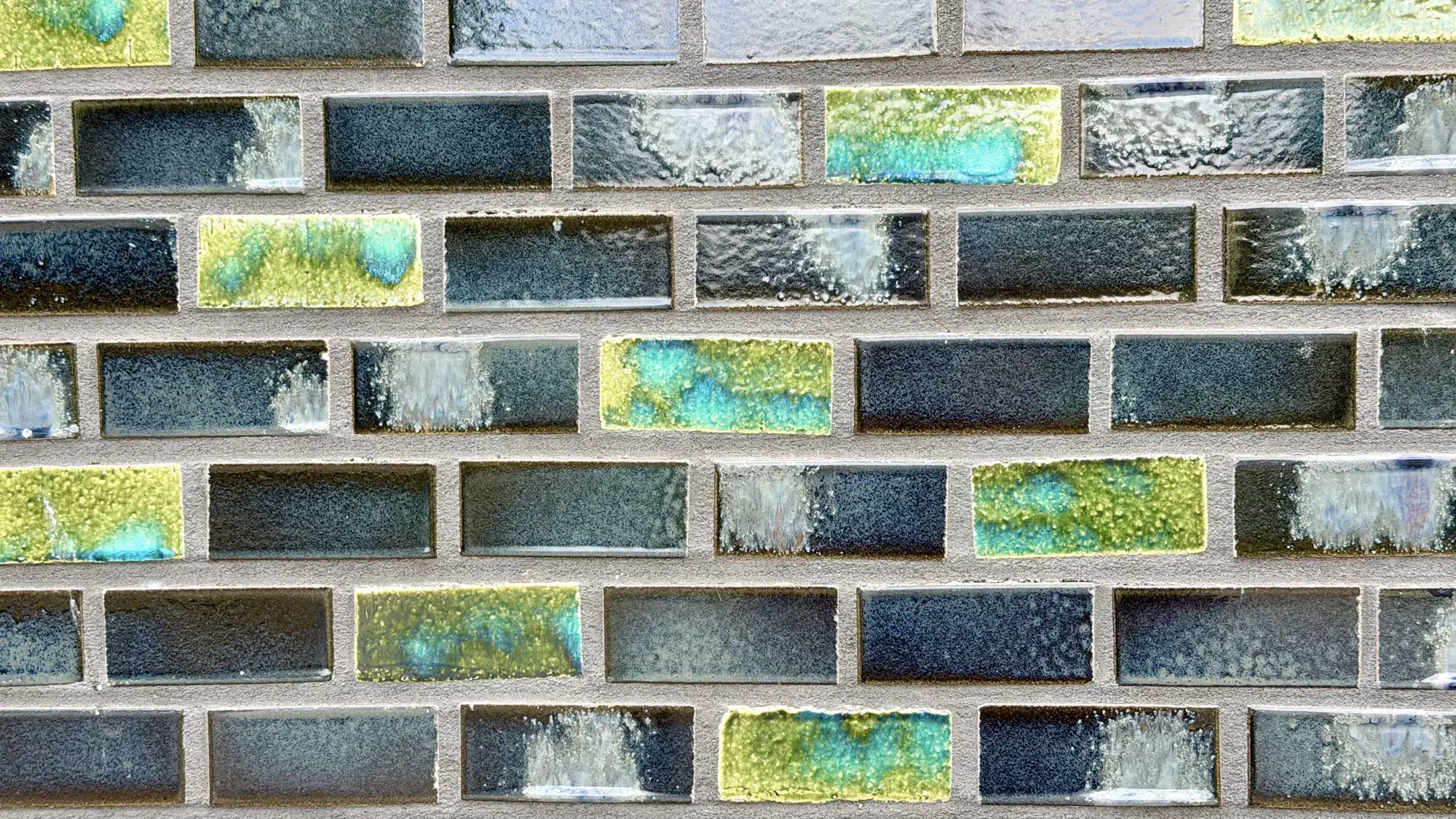
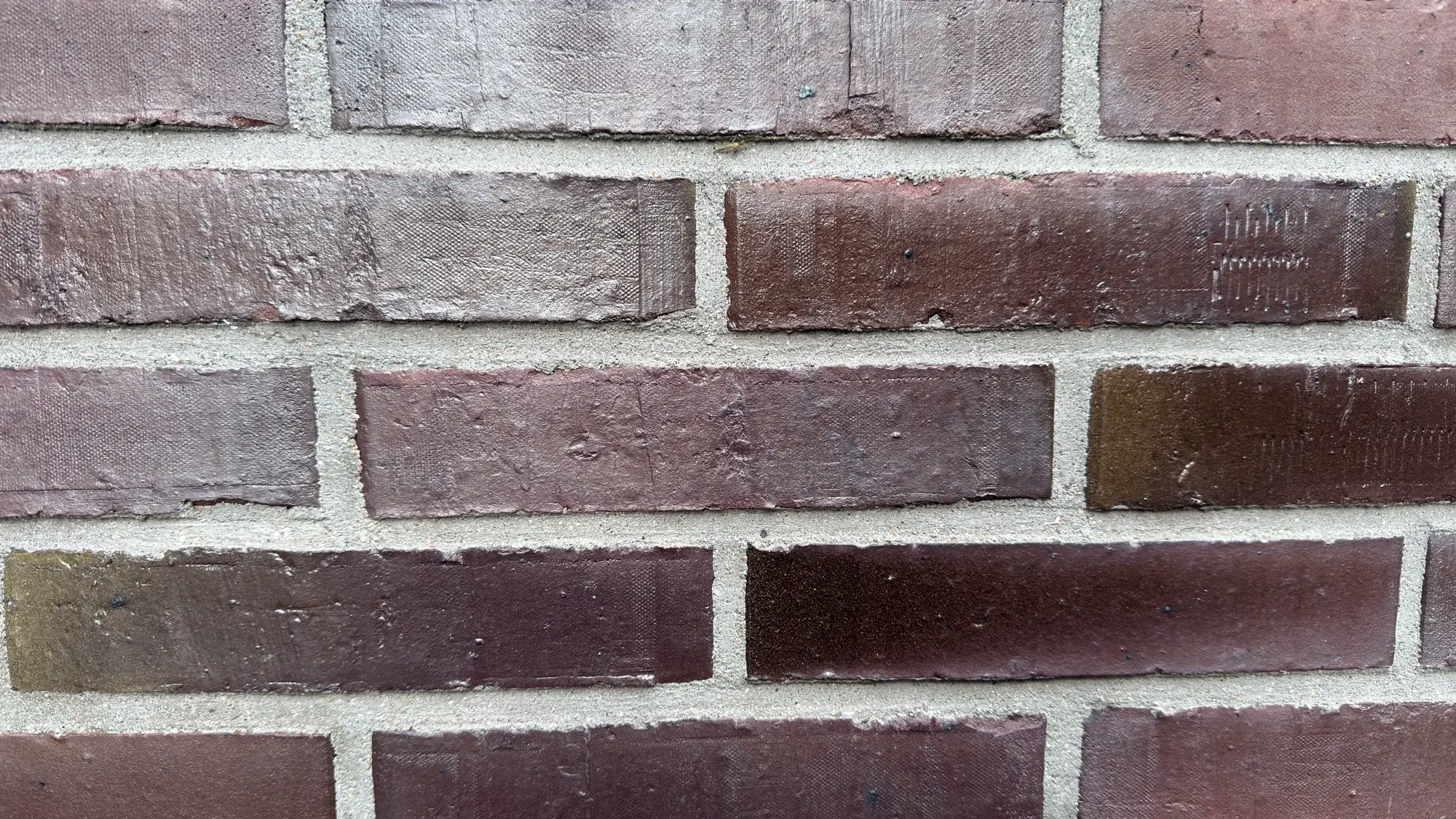
Once fired, all those shades leave the kiln and find a place in the city. Some of their most famous destinations have become symbols of Hamburg.
Important Brick Buildings in Hamburg
Hamburg has so many brick buildings that you might even live in one, as I do. Some, however, show the character of Klinker so well that they have become known far beyond the city.
Speicherstadt
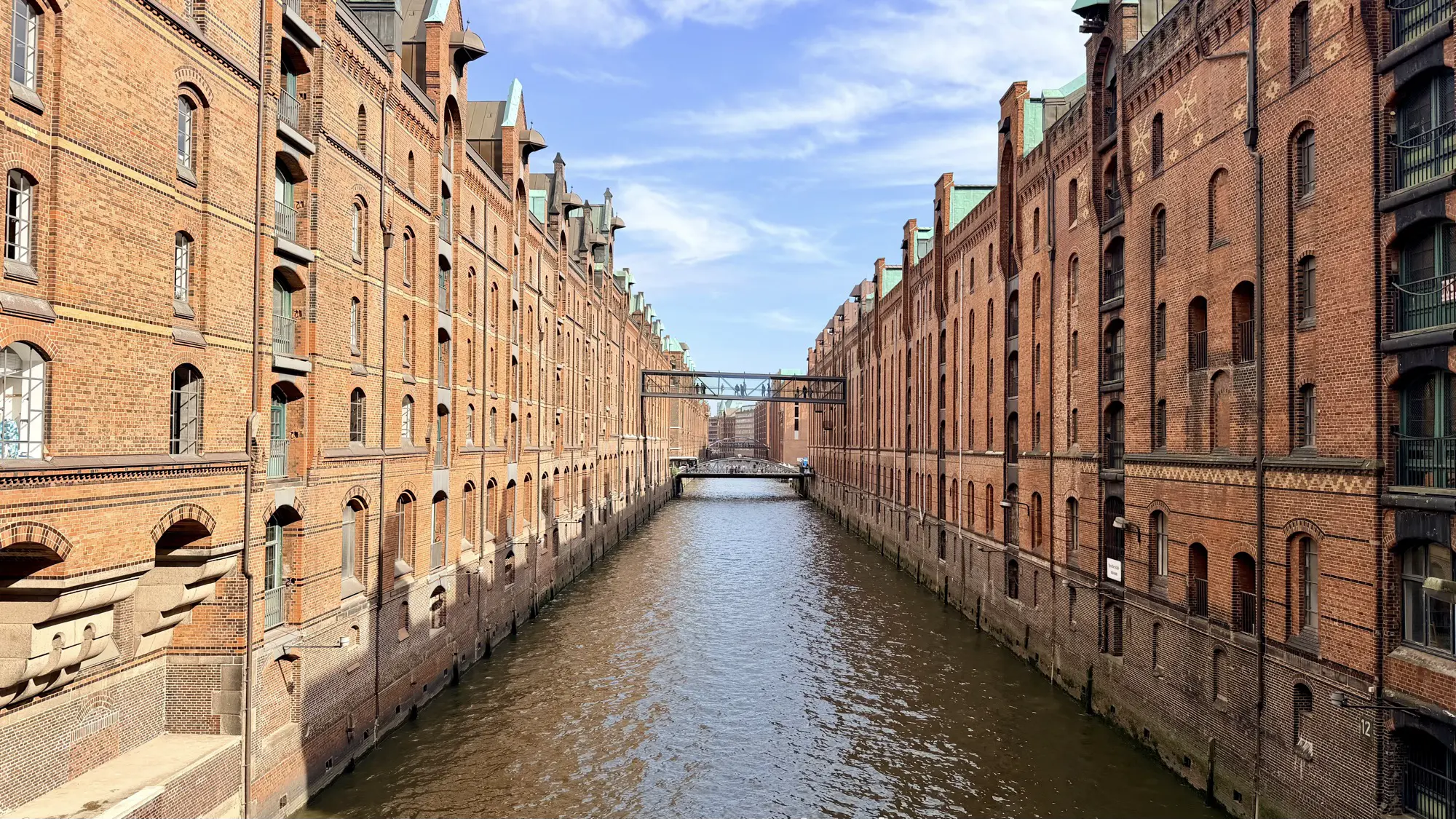
For me, Speicherstadt is where Hamburg’s brick architecture feels most complete. Built between 1883 and 1927, its tall red-brick warehouses, narrow canals, bridges, and pointed roofs look like a small city rising from the water.
Chilehaus
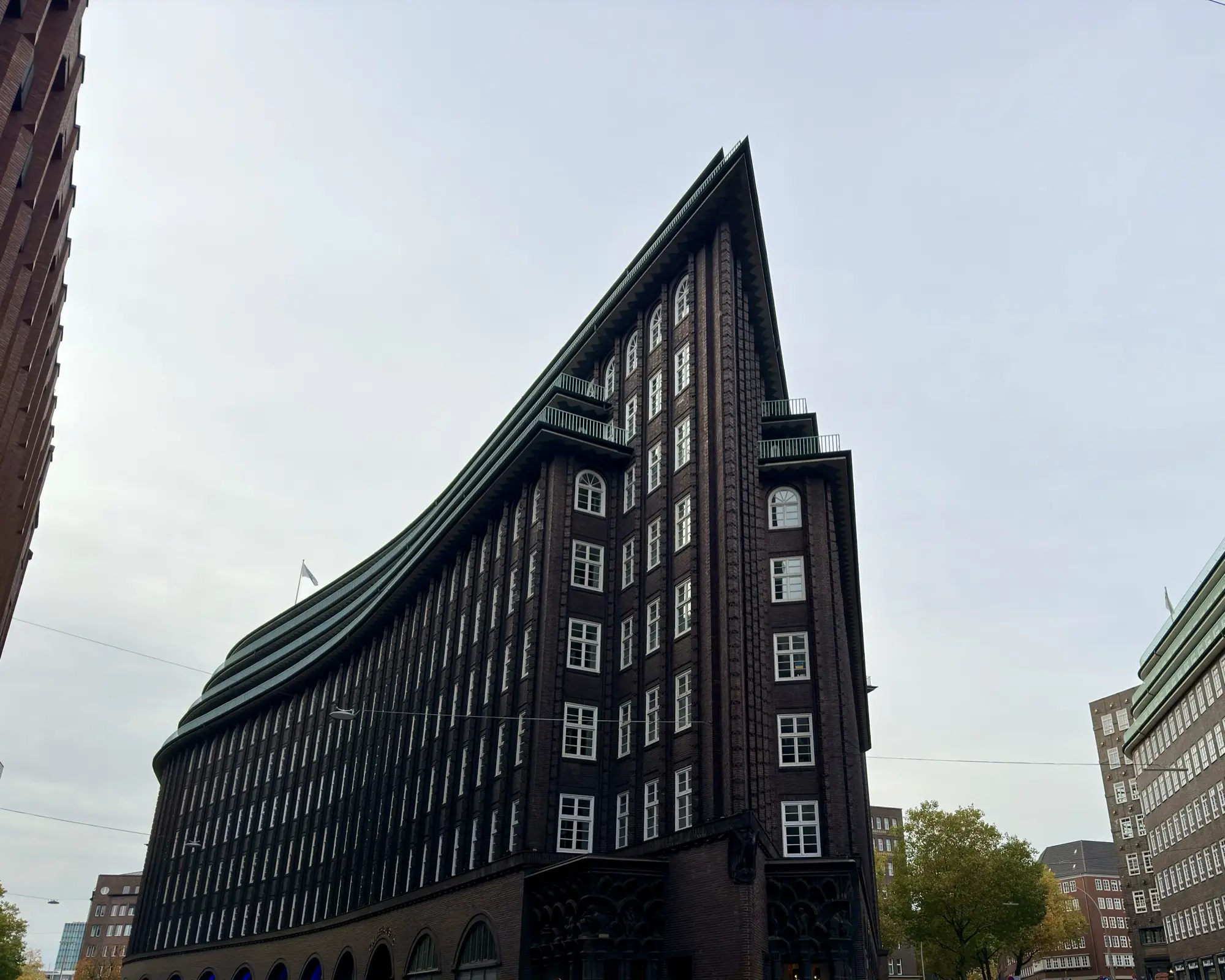
Chilehaus seems to change depending on where you stand. Designed by Fritz Höger and built between 1922 and 1924, its sharp eastern corner looks like the front of a ship, while the patterns in its dark brick facade become clearer as you get closer.
Neues Krematorium
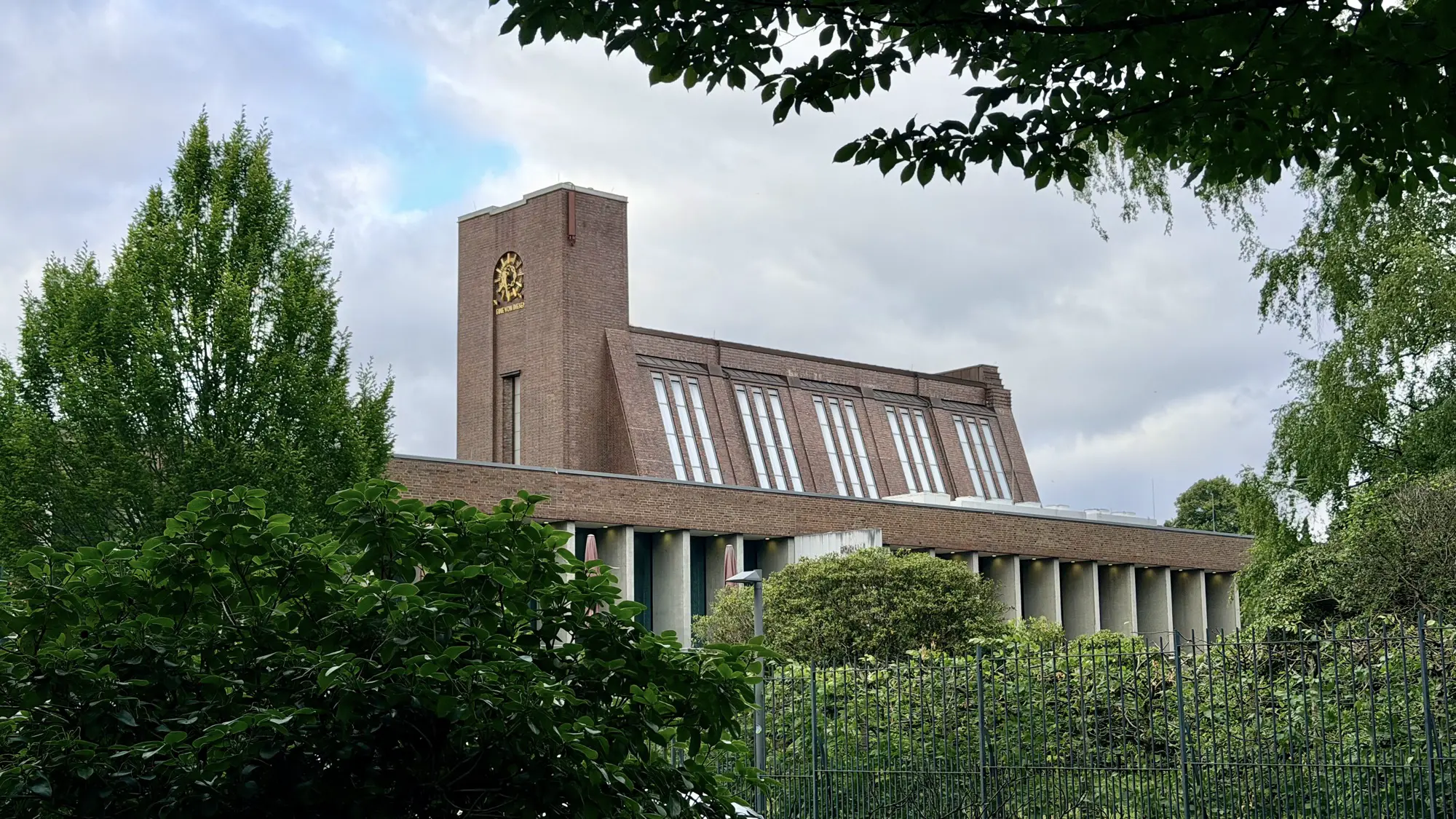
The New Crematorium at Ohlsdorf Cemetery is not as famous as Speicherstadt or Chilehaus, but it shows a more serious side of Klinker. Completed in 1933 as Fritz Schumacher’s last building in Hamburg, its dark walls feel heavy and quiet, while the golden phoenix and colorful windows bring some light inside.
Museum für Hamburgische Geschichte
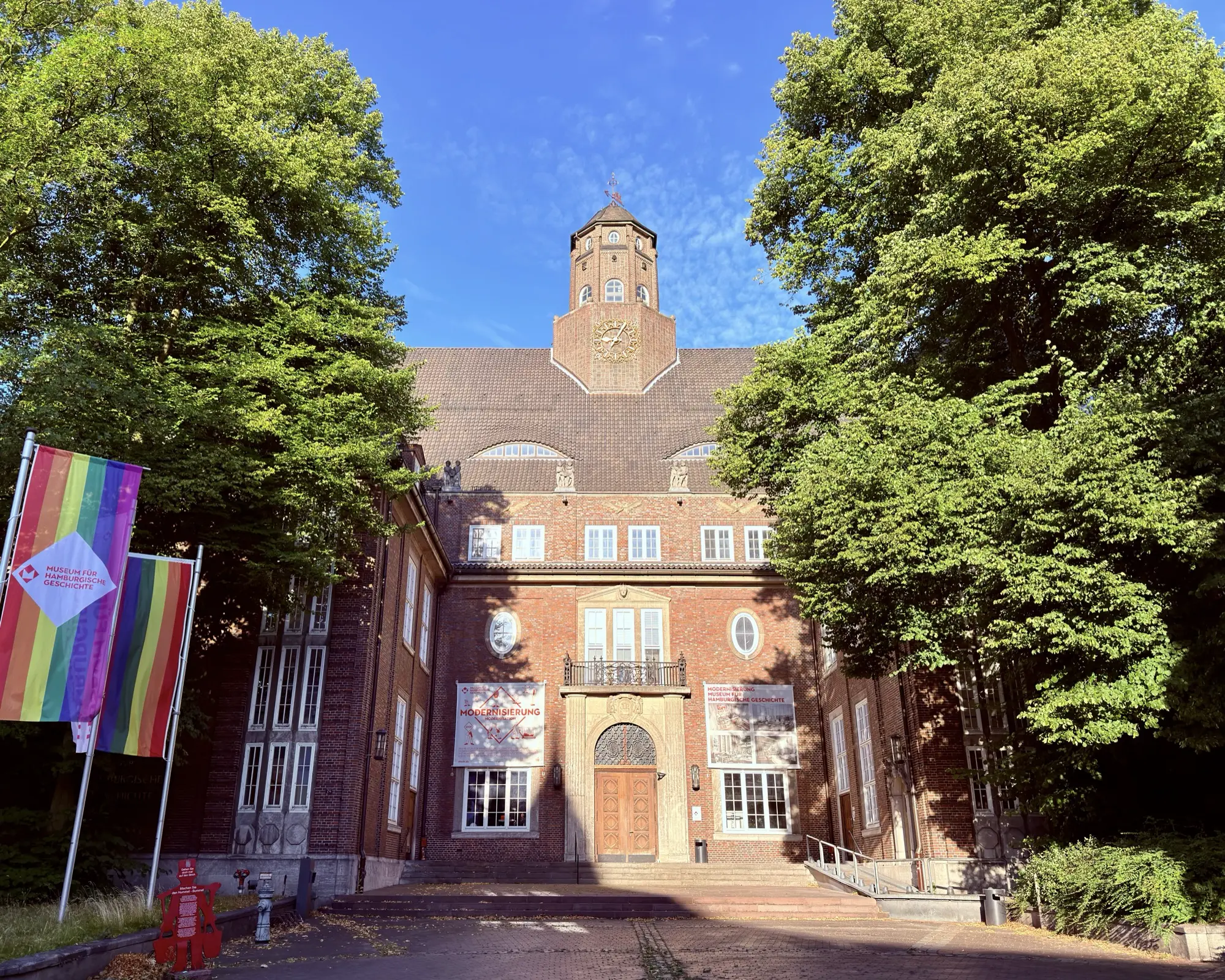
What makes the Museum für Hamburgische Geschichte especially interesting to me is that its walls contain real pieces of the city’s past. Designed by Fritz Schumacher and opened in 1922, the building includes more than 300 parts saved from older Hamburg buildings, so the museum tells history before you even enter it. (The museum is currently closed for renovation, with the work expected to be completed by the end of 2028.)
Hamburger Kunsthalle
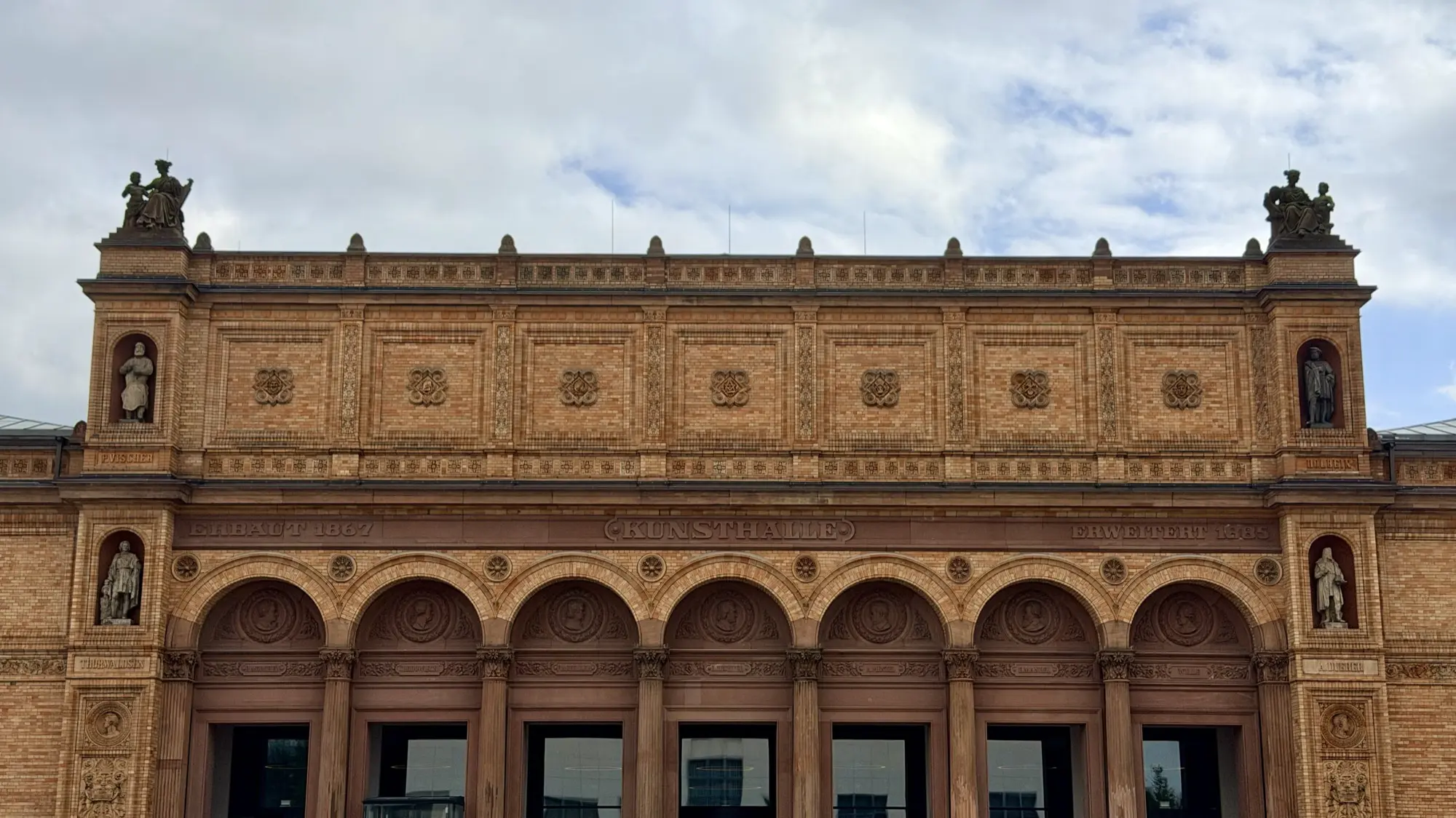
The original yellow-brown brick facade of the Hamburger Kunsthalle stands out for its warmth and rich detail. Designed by Hermann von der Hude and Georg Theodor Schirrmacher and opened in 1869, it is the oldest of the museum’s three connected buildings.
Klinker Today and Tomorrow
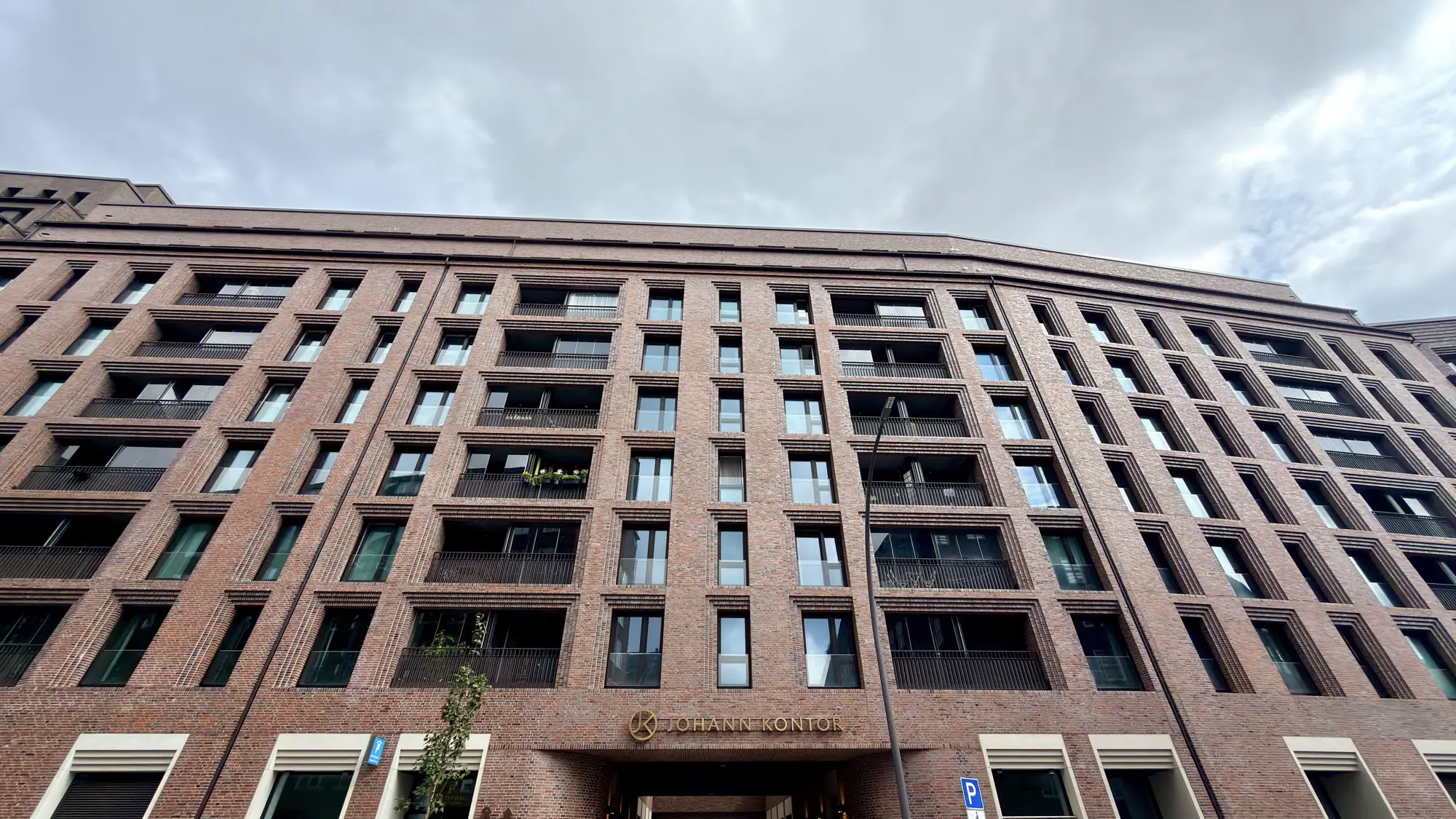
Klinker does not belong only to Hamburg’s past. It is still widely used in new construction, often connecting modern designs with the streets around them. Johann Kontor is one example. Its brick facade helps the new complex fit beside the historic Kontorhausviertel while still looking like a product of its own time.
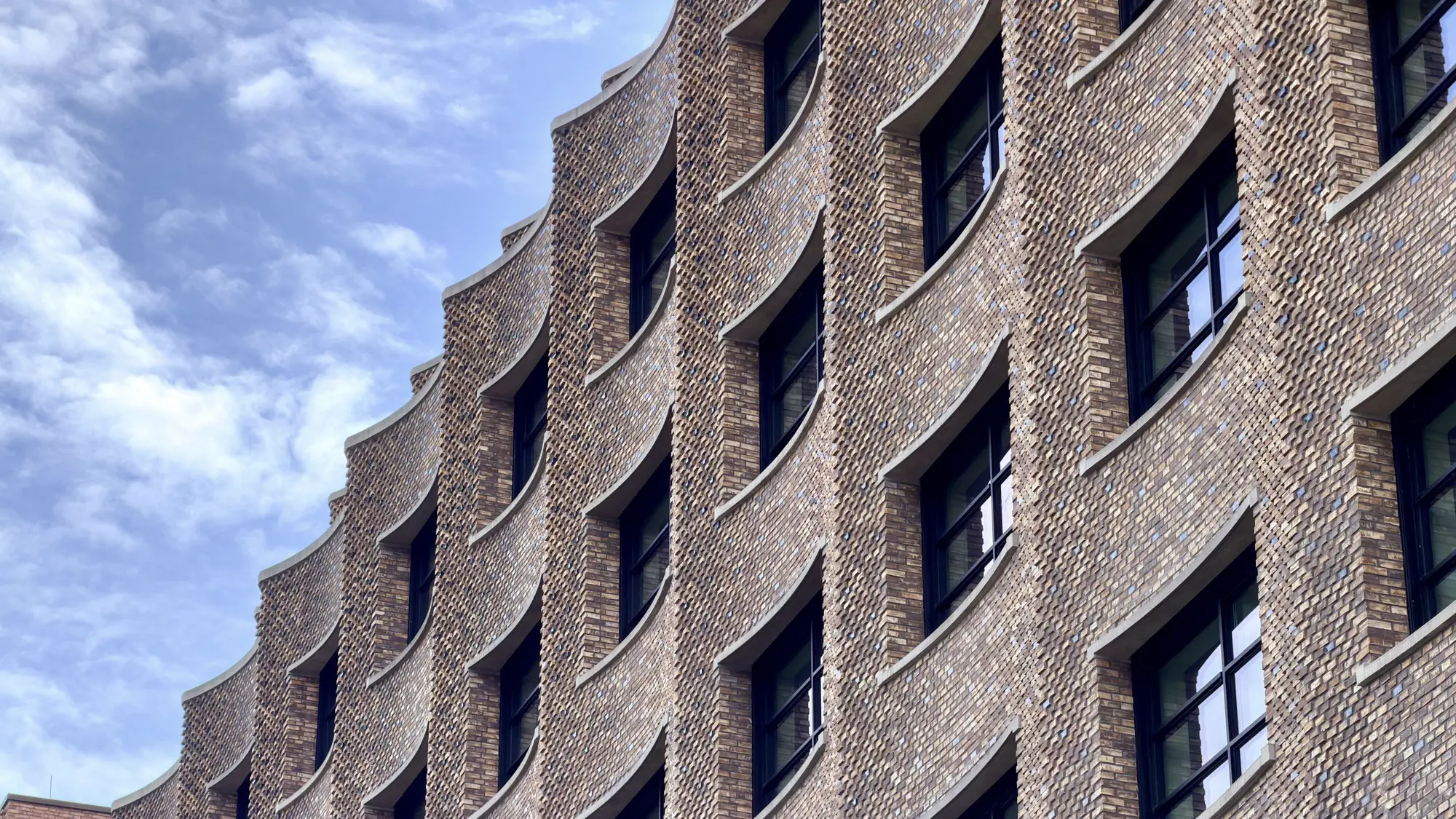
Another example is the office building at Lohsepark in HafenCity, completed in 2023. Rough water-struck bricks cover the upper floors in a curved pattern that looks almost like a hanging curtain. At street level, green and black glazed bricks create a clear base. The result feels both new and very Hamburg.
The city also has several ways to protect its brick character, but there is no single rule saying that every new building must use Klinker. Section 9 of the current Hamburg Building Code, known as the HBauO, says that buildings must suit their surroundings in form, scale, material, and color. They must not spoil the street or the wider area. More direct protection comes from local plans and preservation rules. In parts of Hamm and Horn, for example, changes to old brick buildings and the design of new ones can require special approval.
Keeping this tradition alive also brings problems. Only a few producers still use old ring kilns, and making Klinker requires temperatures above 1.100°C. Most of the German brick industry uses natural gas, while the traditional producer shown in the earlier video still fires its kiln with coal. Both methods use a lot of energy and release carbon dioxide.
At the same time, Klinker can last for generations and needs little care, so its environmental cost cannot be judged by the firing process alone. Producers are looking at cleaner fuels, electric or hydrogen-powered kilns, reused bricks, and other ways to lower emissions. I do not know which of these ideas will become the answer, but I cannot imagine Hamburg without its Klinker buildings.