Visiting Elbwald for the first and perhaps last time
A Sunday bike ride led me to Elbwald, where nearly 400 grown trees face removal to make way for the expansion of Hamburg’s port.

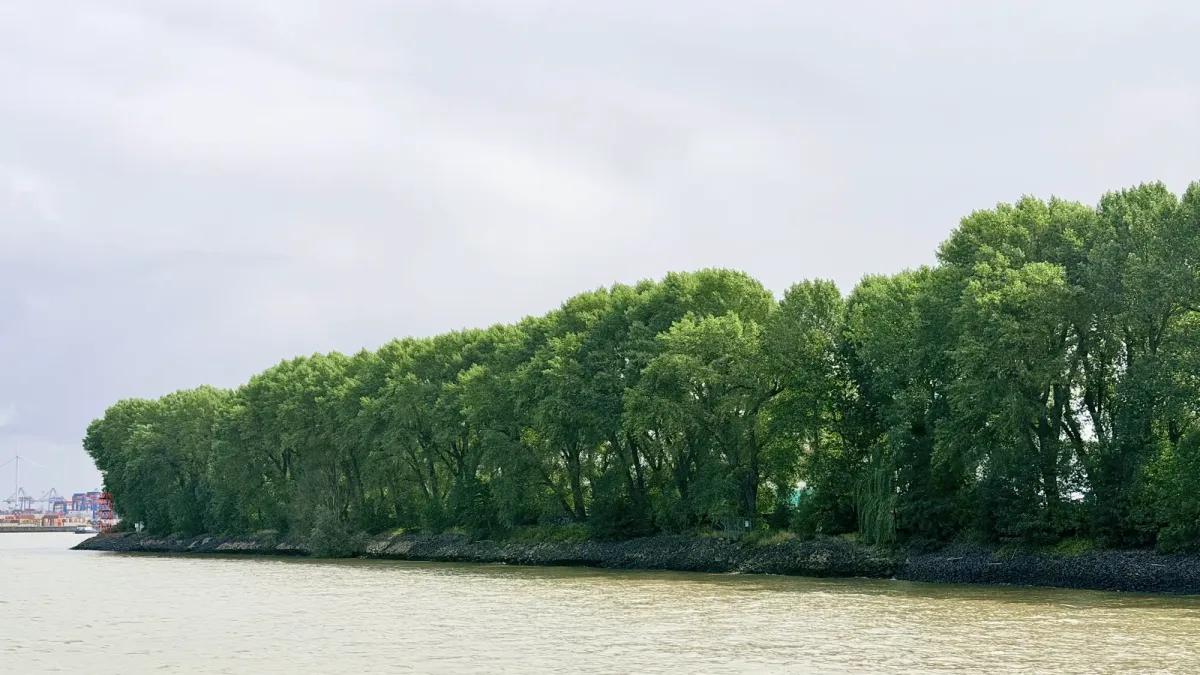
It was a typical Sunday in Hamburg. I cycled along my favourite Fahrradstraße beside the Alster and ended up at the Fischmarkt. I had a morning coffee and a Fischbrötchen before continuing towards Blankenese. Later, after enjoying a Franzbrötchen in the sun at Teufelsbrück, I turned back towards home.
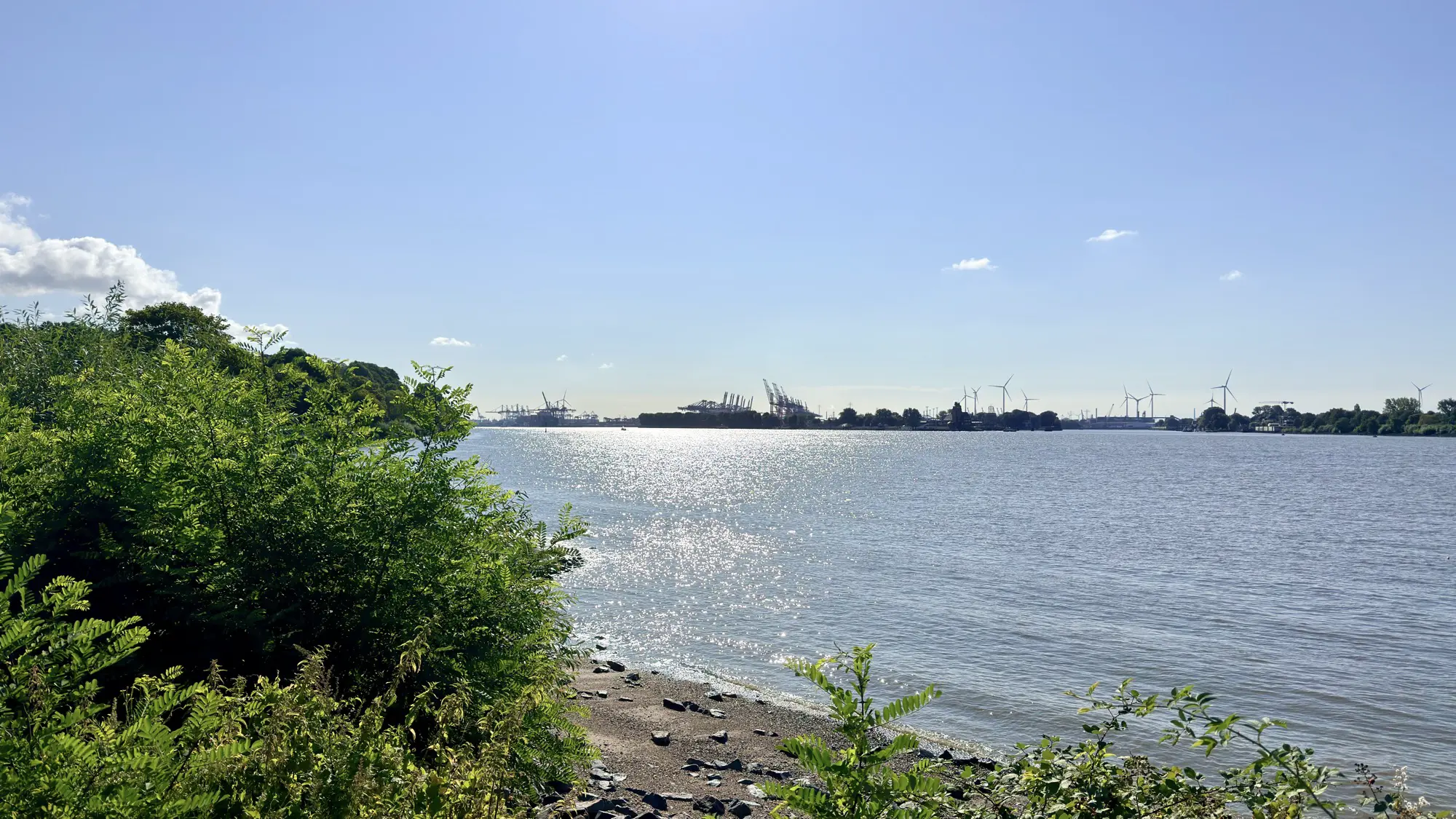
On my way home, I passed through Övelgönne. There is a narrow path there, with beautiful houses on one side and small gardens on the other. In front of one of the gardens, I saw a chair with a clipboard on it. It was there to collect signatures for a campaign. There were also several booklets, so I picked one up after a short conversation with the older man looking after the garden. For some reason, he asked whether I was French.
It was clear that there was a petition, but I wanted to learn more before signing it. Once I got home, I read the booklet and visited the campaign website about “Elbwald retten” (“Save Elbwald”). It made me sad.
Elbwald
If you have ever walked through Övelgönne or sat at Elbstrand, you may have looked across the Elbe and noticed a small line of trees beside the Lotsenhaus Seemannshöft. That is what the campaign calls Elbwald. It is located at Bubendey-Ufer, next to the Petroleumhafen.
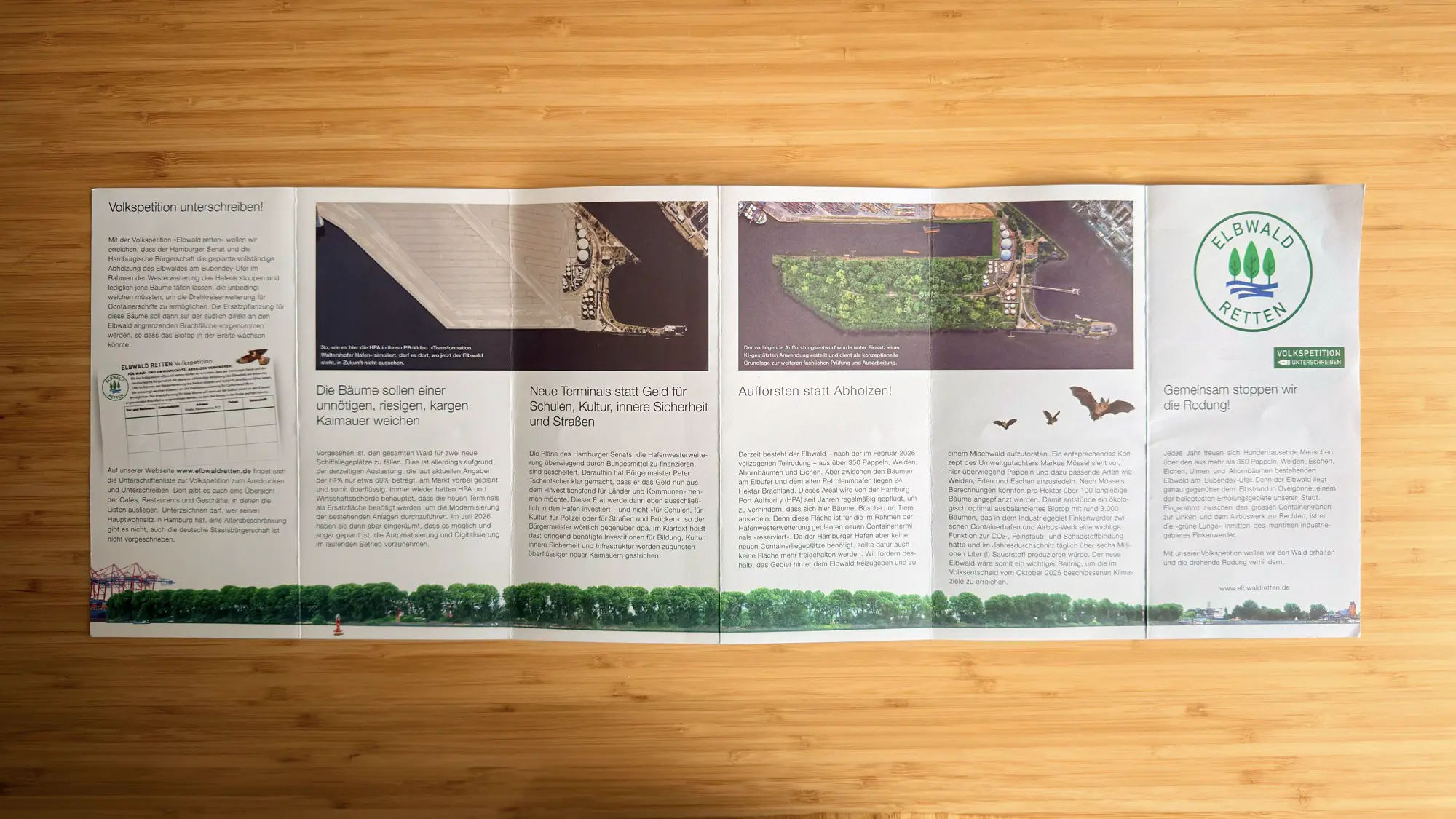
According to the campaign’s petition, the area had 396 trees before the first cutting work began. Most are poplars, but there are also willows, ash trees, oaks, maples and elms.
The campaign booklet says that some of the trees were planted around 100 years ago. It also says that Jürgen “Fiffi” Schaper, a sailor who lived in Övelgönne, later planted more trees. I like to imagine that he did it because he preferred looking at trees across the Elbe from his home rather than at oil tanks.
The Transformation of Waltershofer Hafen
The Hamburg Port Authority has been planning the western extension of the Eurogate container terminal for more than 20 years.
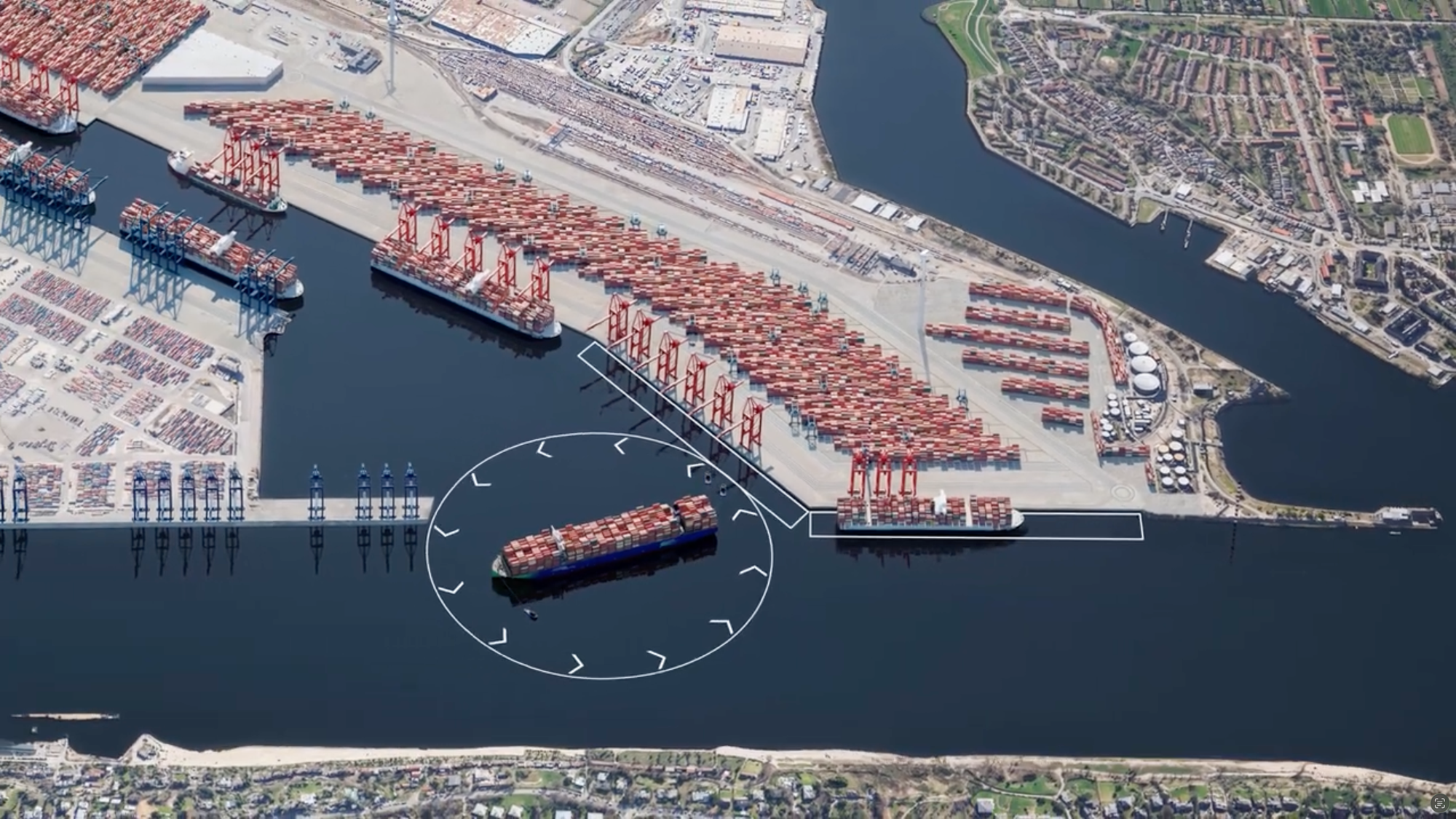
In simple terms, the plan is to make the harbour larger and easier for very large container ships to use. Part of the land at Bubendey-Ufer will be removed, while the Petroleumhafen will be filled in to create new land for the terminal. This will allow Eurogate to extend further west and modernise its operations.
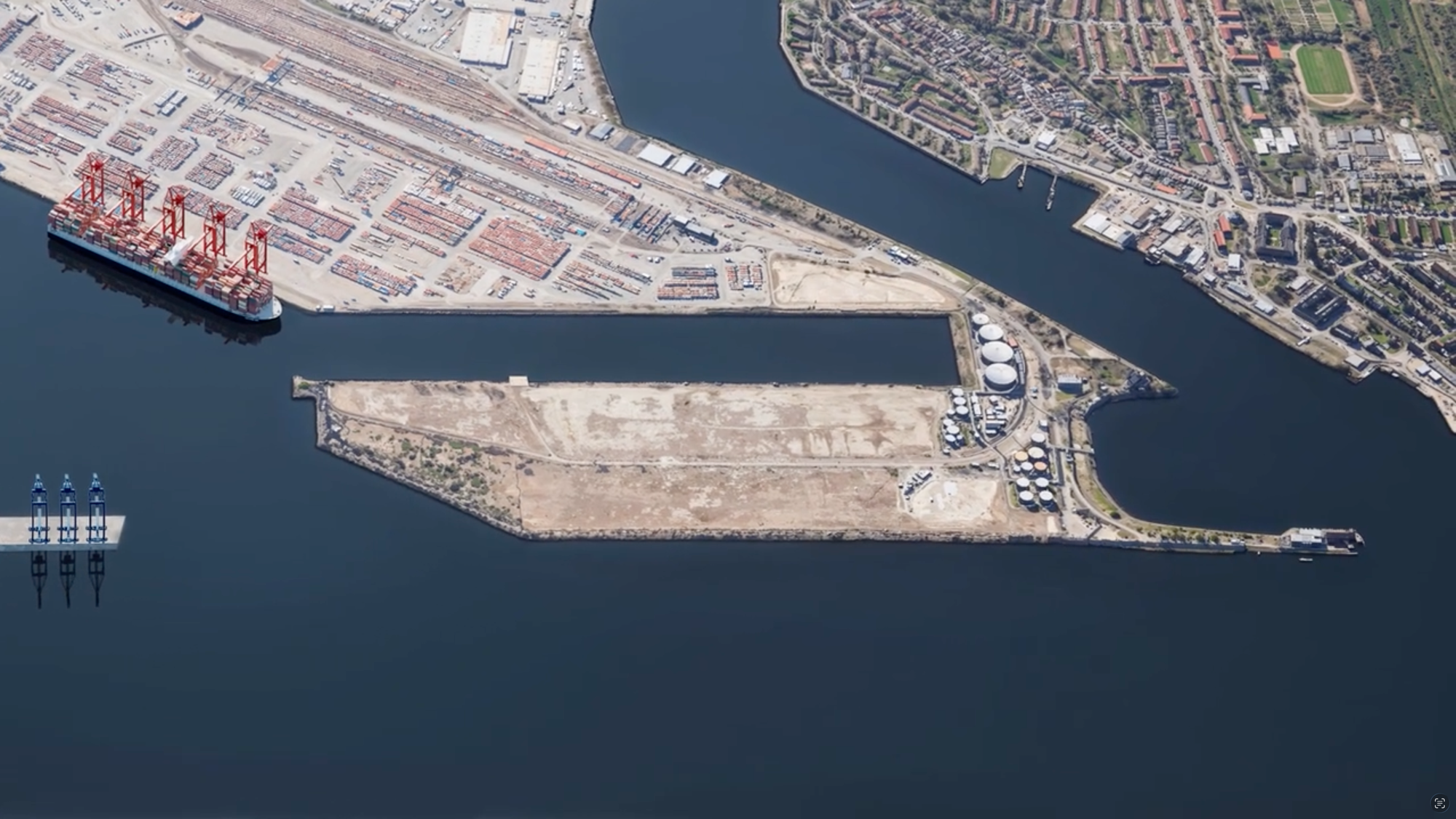
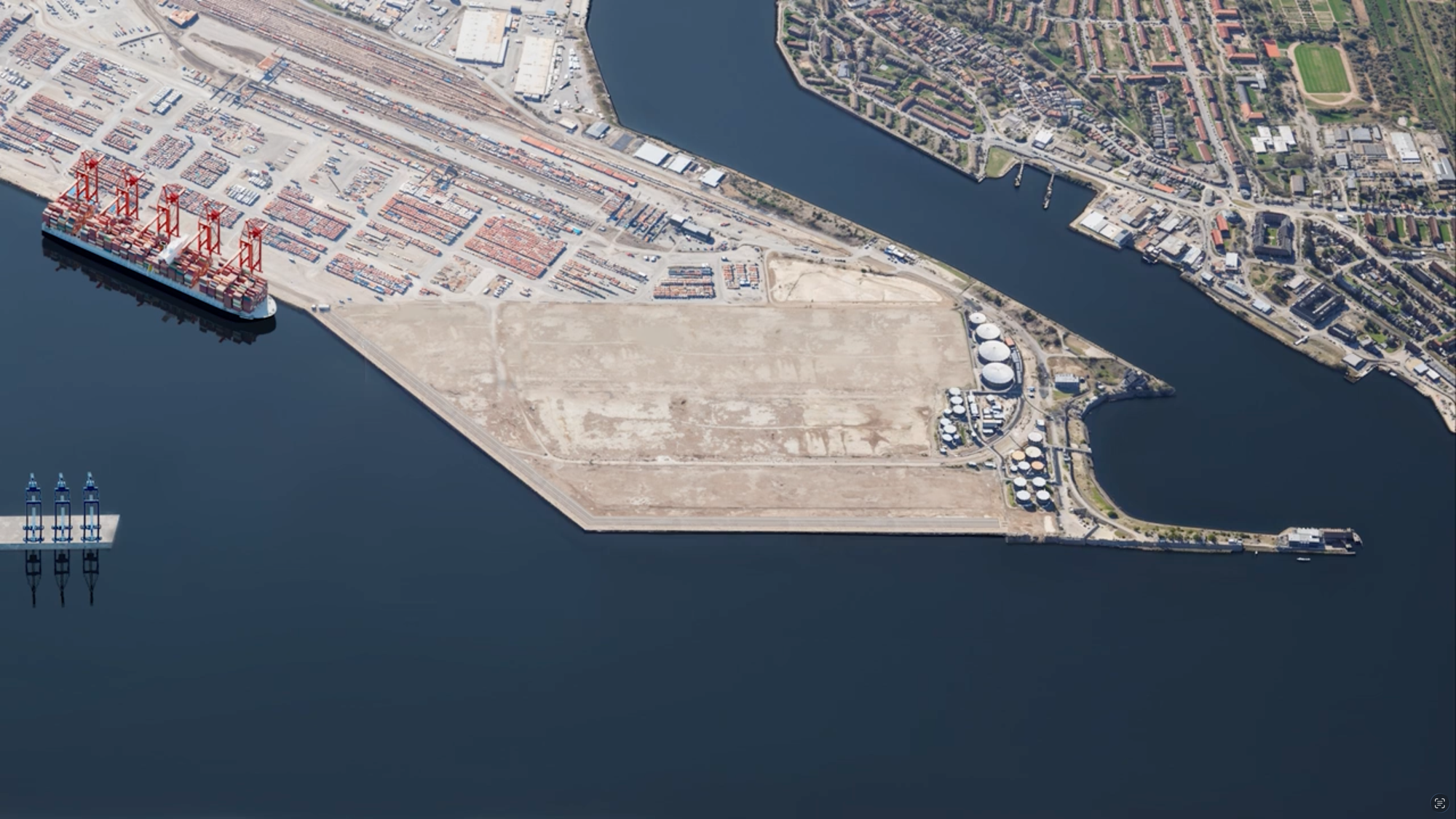
Before and after the removal and filling
The project is expected to cost around €1.8 billion, including public funding and Eurogate’s own investment. Construction is expected to continue into the 2030s.
The main argument is that Hamburg needs to keep its port competitive with other large European ports such as Rotterdam and Antwerp. The project is also meant to make the terminal more automated and use more electric equipment.
I understand the economic argument. Germany’s economy has not been doing especially well, and a project of this size may create jobs and bring other benefits.
Cutting the Trees
The project received formal approval in 2016. Residents challenged it in court, mainly because of concerns about noise and pollution, but those challenges were unsuccessful. Because of this, I do not see an easy legal way to stop the whole project now.
What bothers me is how the loss of the trees is being handled.
In July 2026, Katharina Fegebank, Hamburg’s Second Mayor and Senator for Environment, Climate, Energy and Agriculture, celebrated another positive year for the city’s street trees. Hamburg planted 1.863 street trees in 2025, which was 352 more than the number removed. (You can find all of these trees with their plant year and genus in the Franzbrötchen app.)
The Elbwald trees are not counted as street trees, so these are two different statistics. Still, it is difficult to celebrate a few hundred extra trees in one part of Hamburg while preparing to remove almost 400 grown trees in another.
The Elbwald campaign says that around 50 trees were already cut down in February 2026. The work then stopped. This may be connected to the general rule in Section 39 of the Federal Nature Conservation Act, which restricts most tree cutting between 1 March and 30 September to protect nesting birds.
On satellite images, you can already see where some of the trees stood last year. The empty space is hard to miss.
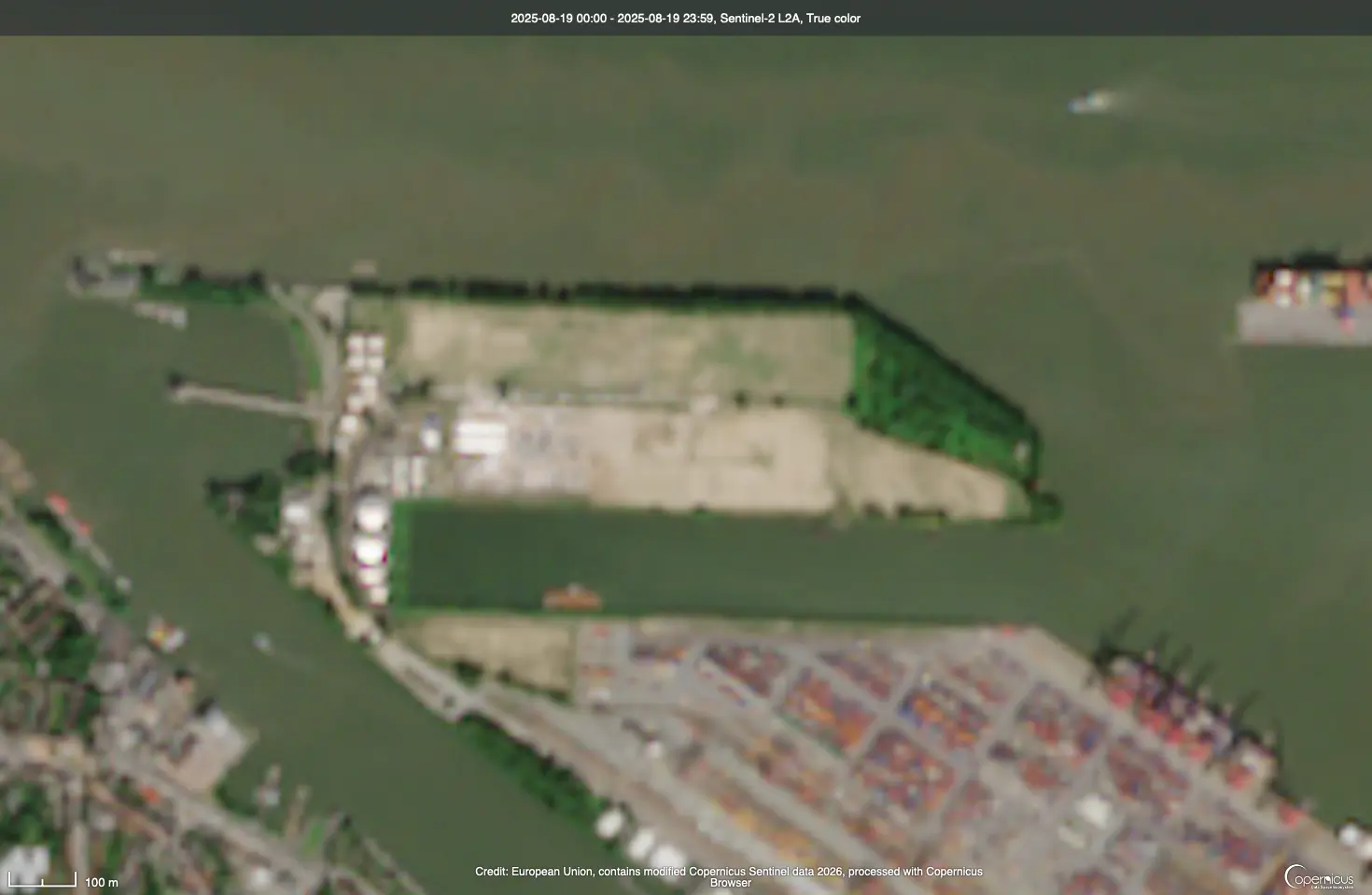
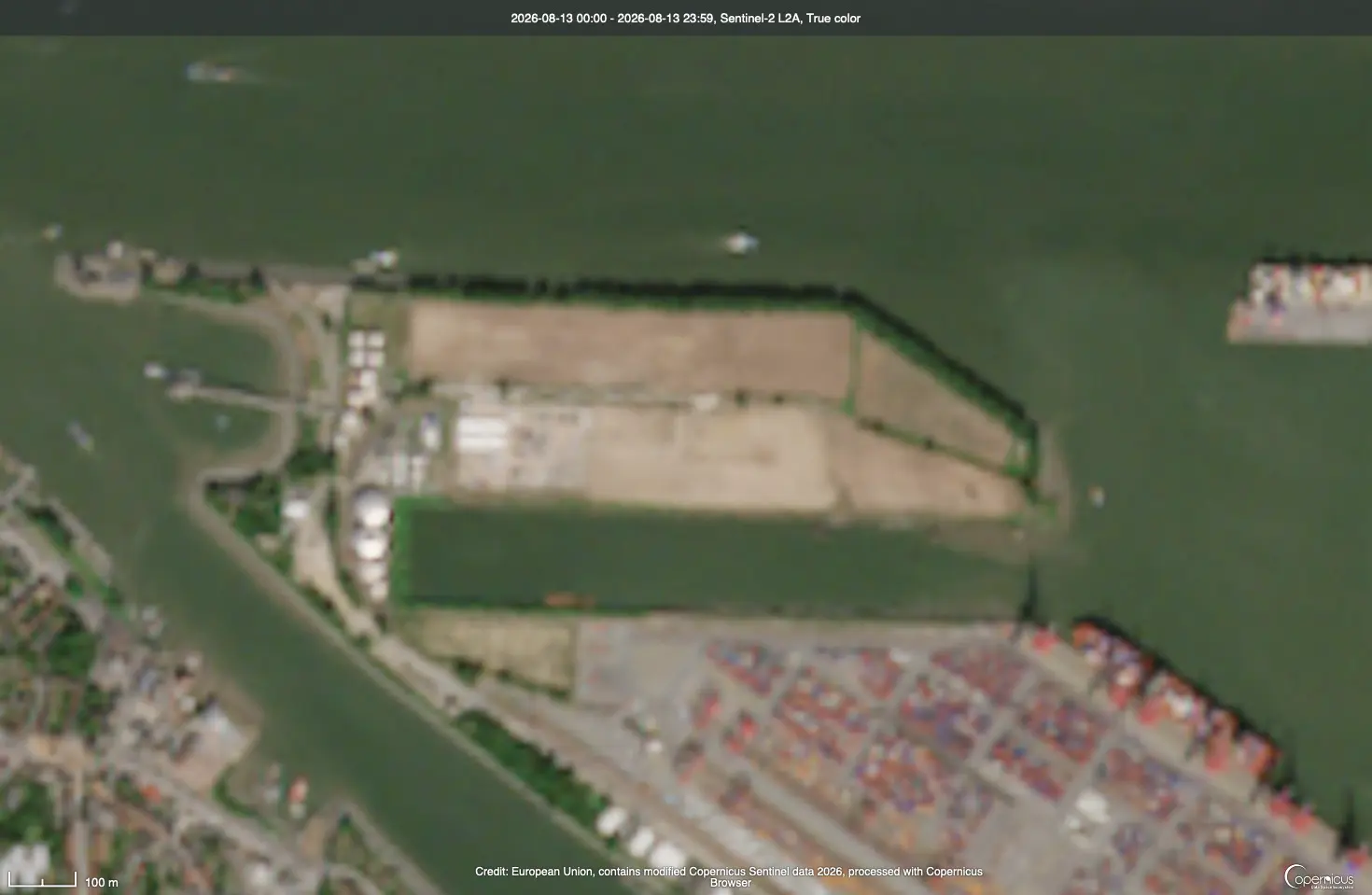
The satellite images from August 2025 vs. August 2026
Last Saturday, I went to see Elbwald for myself. It was no longer possible to walk among the trees because the area had been fenced off. Signs warned that anyone crossing the fence could face a fine of up to 1.000€.
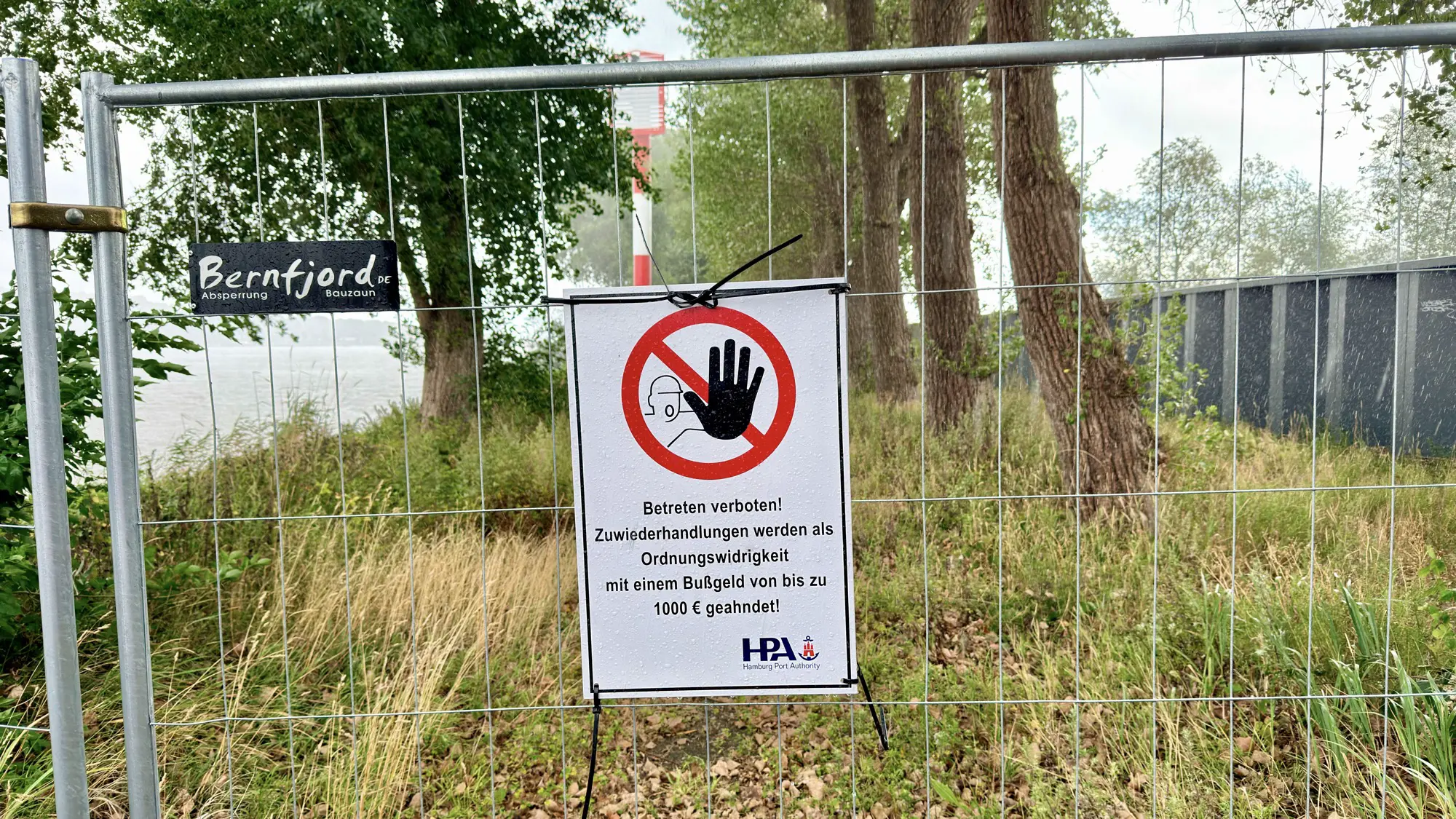
Perhaps the fence is simply there for worksite safety. Perhaps it is also meant to prevent protesters from occupying the area. I cannot know for sure. What I do know is that I had finally come to see the trees up close, only to find a fence between us.
A few weeks earlier, Hamburg had watched the new Sternbrücke, weighing 3.700 tonnes, travel about 500 metres before being placed in its final position. That made me wonder: if we can move an entire bridge, can we not save at least some of these trees?
Of course, a steel bridge and a living tree are not the same thing. Moving old trees is difficult. Their roots can be very large, and many trees may not survive the move. Moving almost 400 of them may not be realistic.
But that should not end the discussion. The city says that new forest will be planted as compensation. The exact location has not been made public in the sources I found. The Elbwald campaign says the replacement planting will be in the Segeberg district of Schleswig-Holstein.
New forest is better than nothing. But young trees planted somewhere else cannot immediately replace almost 400 grown trees beside the Elbe.
The port will become larger, newer and more efficient. But Hamburg will lose a green part of its river view that took decades to grow.
It was my first visit to Elbwald and probably the last because there won't be anything to see here anymore.