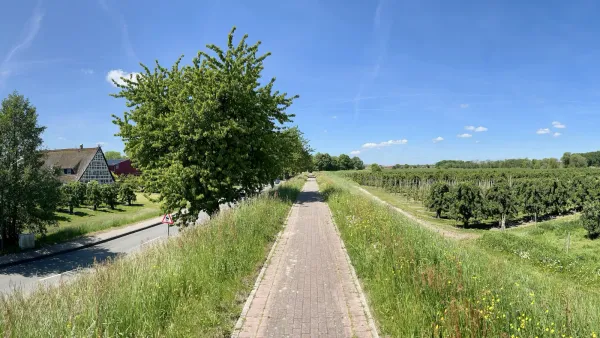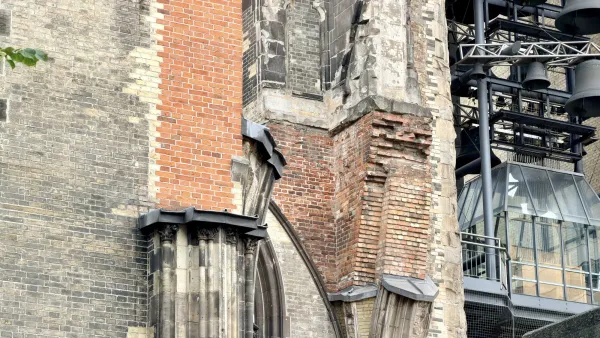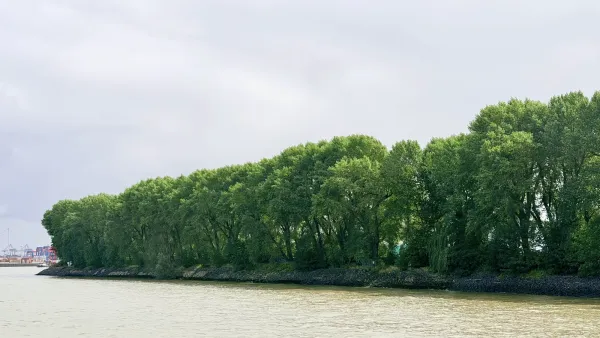
Wahlhamburger
It doesn't matter where you were born, it only matters where you feel at home.

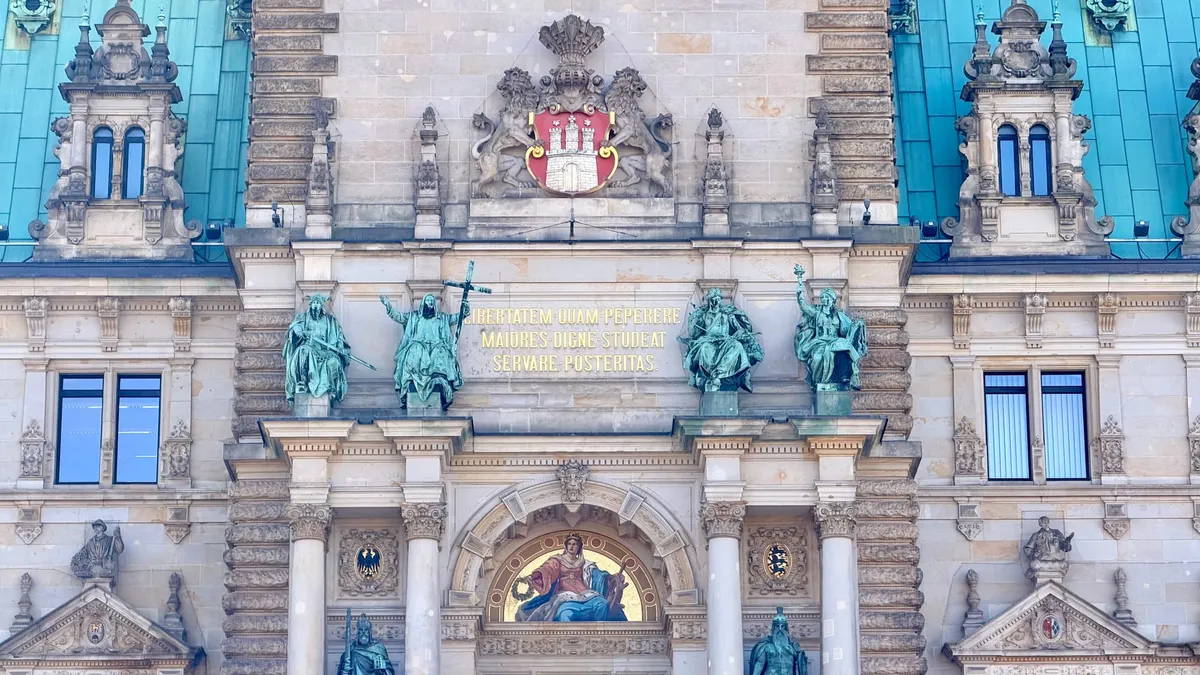
Hamburg was the first city I've visited outside of my home country. That's why I thought that probably most of the big cities in Europe look like Hamburg. Later when I told this to a colleague, he told me that I shouldn't have high expectations. Oh, boy. How right he was.
After Hamburg, I started to visit many cities in Europe. My trips were always short, but still, when I traveled to a city, I made sure that I walked around for hours and evaluated whether it fits my standards for living.
I should say that I haven't visited that many cities, and a few days in a place is not enough to know it. Someone who lives there would tell me I saw the wrong parts, or the right parts on the wrong days, and they would probably be right. So none of this is a ranking. It is only what I noticed.
Berlin, Lisbon, Stockholm
My first trip was to Berlin. It is the capital, the international community there was bigger than in Hamburg, and I had heard many things about it, so I thought the chances could be higher to live there. After the weekend, I was disappointed. Some districts were nice to explore, but Berlin was not as beautiful, organised, green and silent as Hamburg, and the cycling infrastructure wasn't good enough either. I went back once more and walked for hours with a friend, but it didn't change my opinion. Sure, Berlin has way more events, but would it make sense to move there just for them, while you're not feeling good with all the other things?
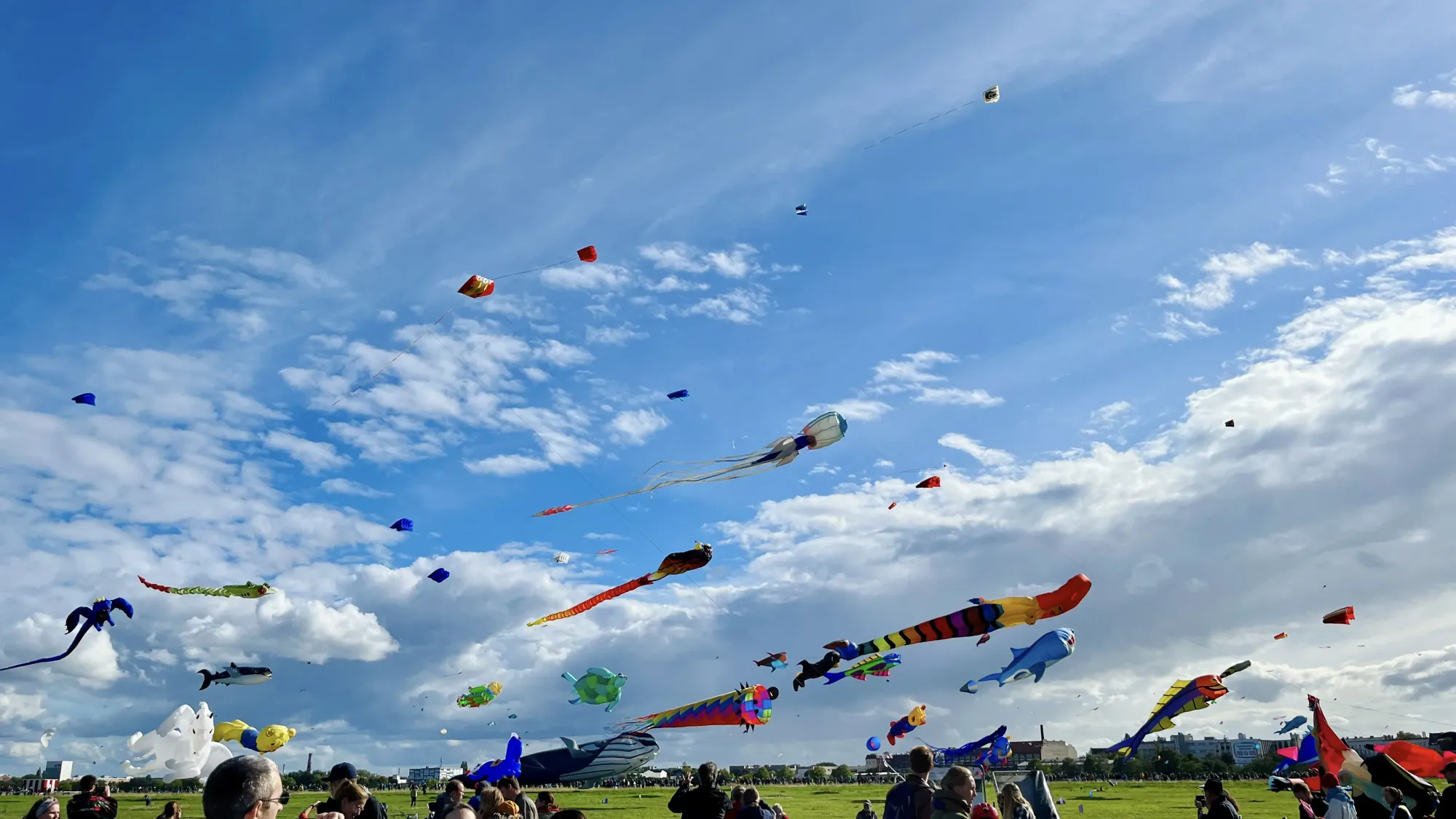
Berlin was where I first learned what I don't want. The crowds, the dirt, and buildings that look like they were put next to each other without anyone thinking about it.
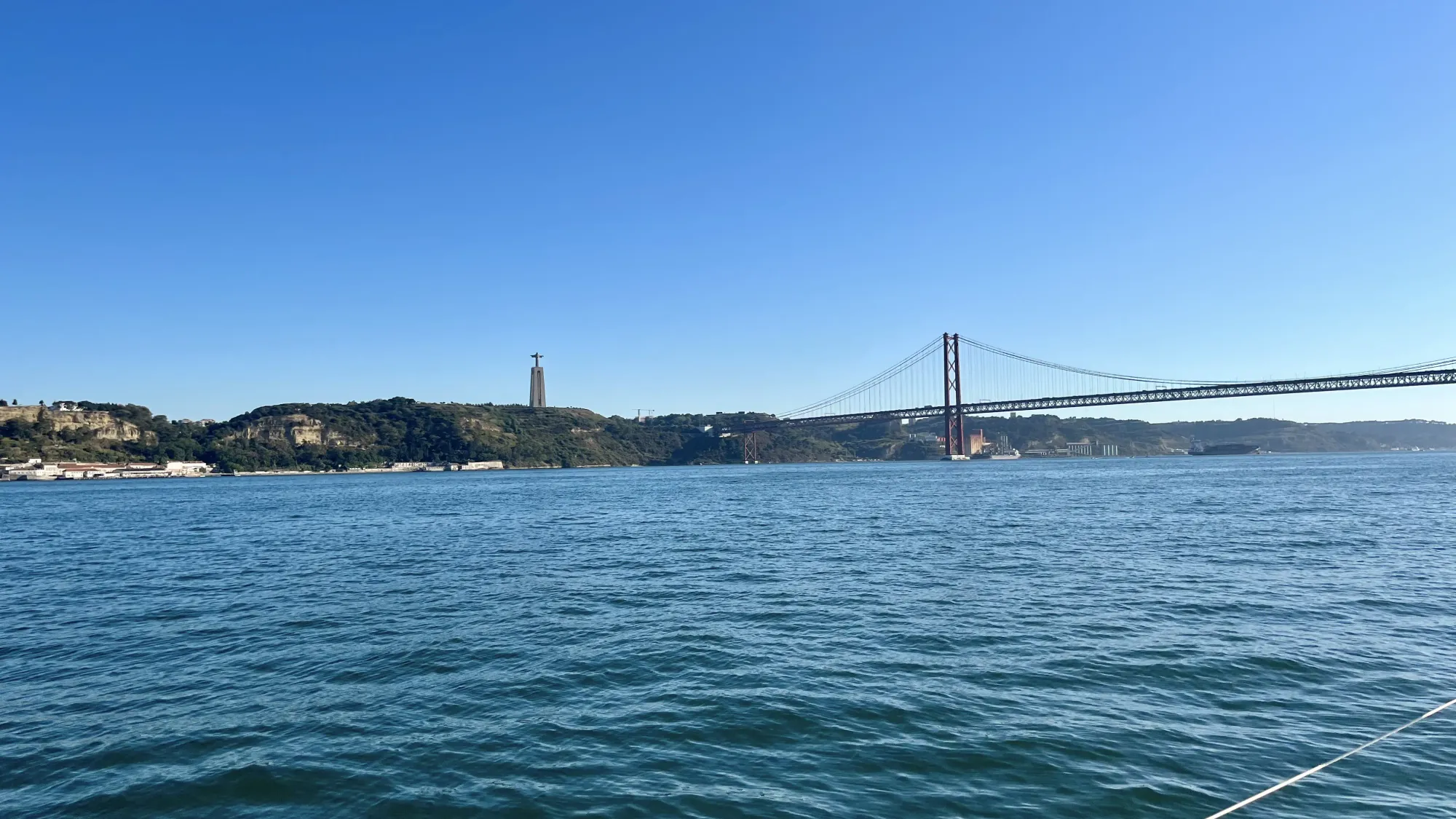
Later I visited Valencia, Barcelona, Porto, and Lisbon. Out of these, the only city that impressed me and made me think about moving was Lisbon. It was really beautiful. I could understand why many people from different parts of the world are moving there. But the hills were a big problem, as well as the lack of cycling infrastructure.
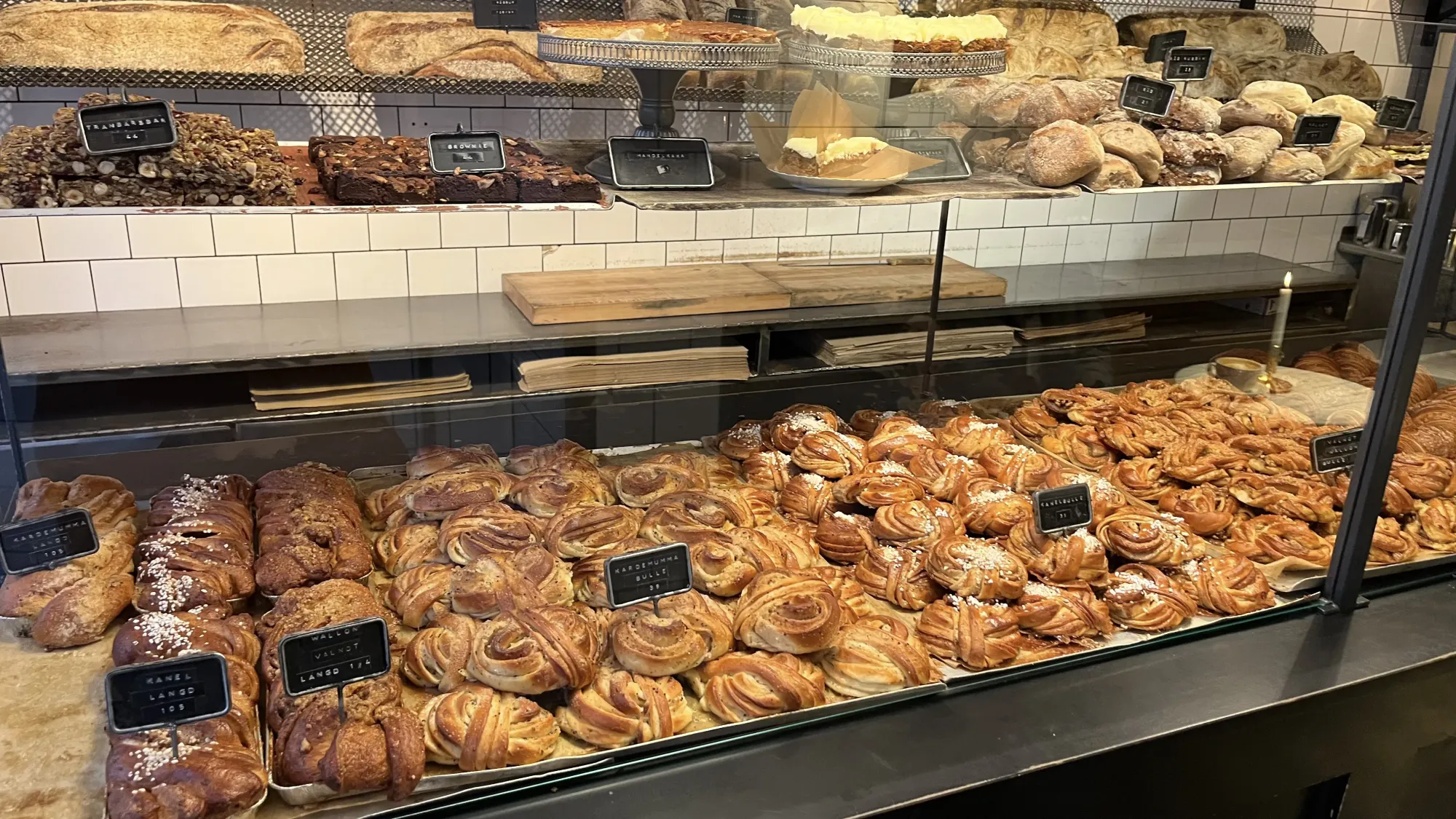
Then there was Stockholm, the one city that felt really close to Hamburg. When I visited, I walked more than 50km. It is walkable, the cycling infrastructure is there, and every part of the city gives you something different. Gamla Stan was an experience I've never felt in my life, walking through those narrow streets between the medieval buildings felt like being inside a fairy tale. Djurgården is an old royal hunting ground that is now part of a national city park, with real forest and open water right next to the museums. Södermalm is one second hand shop after another, small cafes, and the view over the whole city from Monteliusvägen. And thanks to their Fika culture there are bakeries everywhere, so I was visiting one almost every single day.
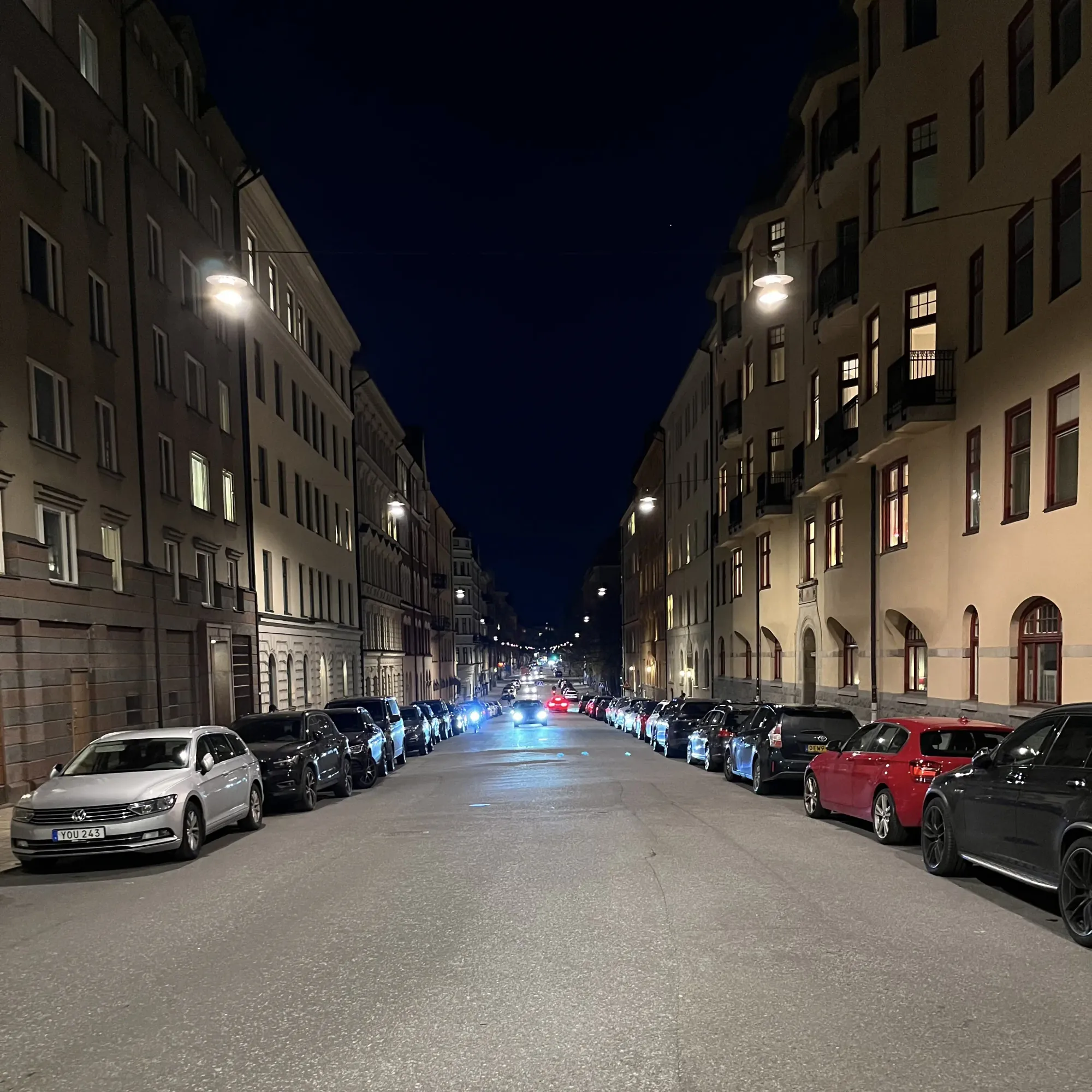
One problem with Stockholm was the daylight. In winter it gets dark in the early afternoon, and I don't think I could live with that for months every year. The other one was their naked streets. There was a street, cars, a pedestrian way and buildings. No trees. It wasn't really a nice feeling to walk.
Each city taught me something about what I actually want. I like diversity. I'd like to have different options. And every time I came back, I understood better that Hamburg already gives me this.
A ride through Hamburg
The best way to see it is from a bike. Not because it is faster, but because you notice the moment one district turns into the next, and that is the part you miss when you sit in the train.
Start in Ohlsdorf. The cemetery there is the largest park cemetery in the world, bigger than Central Park, with ponds, a rose garden, an old water tower and two bus lines running inside it. It is not a sad place to be. People walk there, cycle there, sit under the trees. It is quiet in a way a city is not supposed to be able to offer.
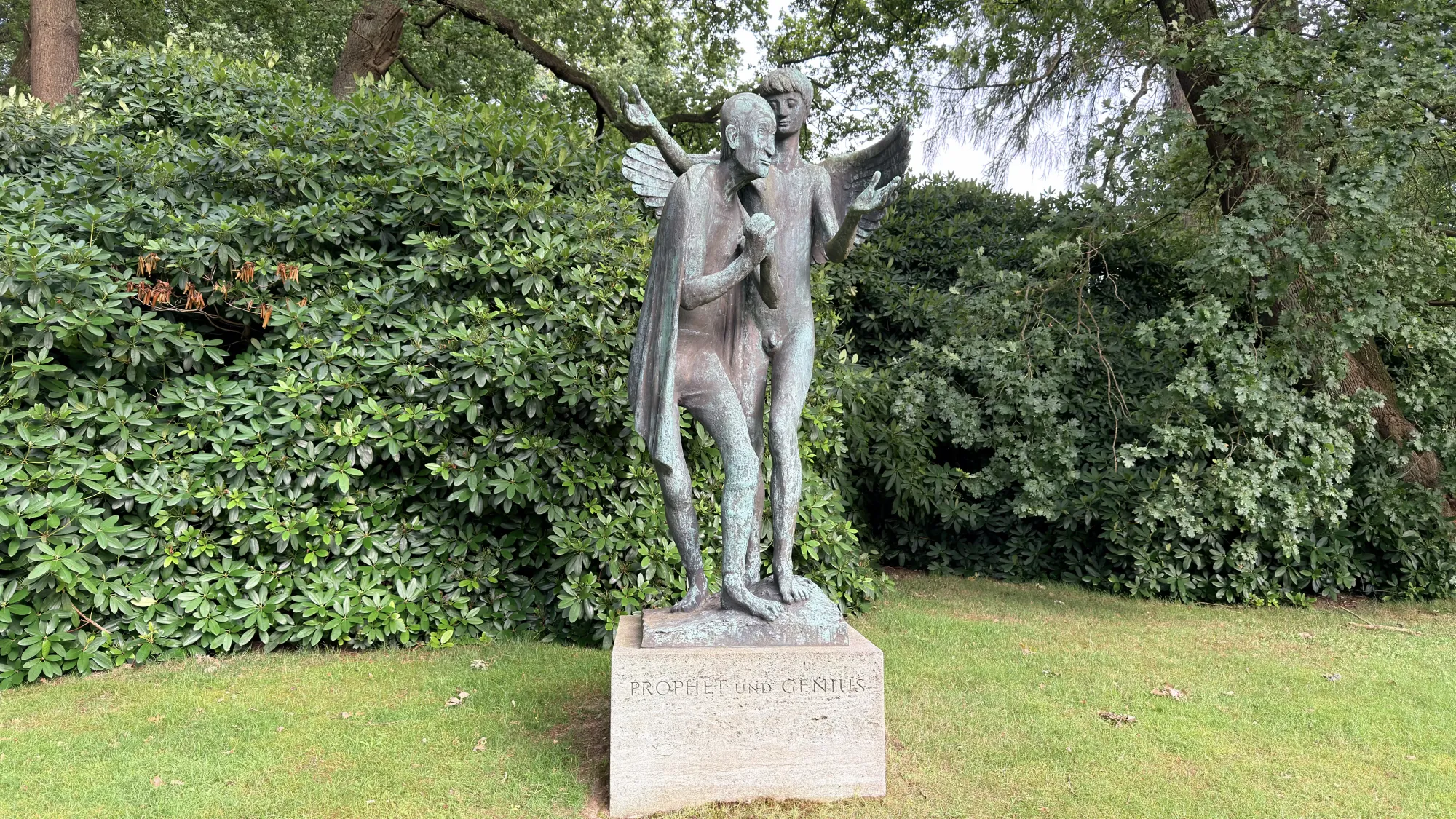
Ride south into Winterhude, where Stadtpark welcomes you with open hands. The big lawn is full of people as soon as the sun is out, there is a planetarium inside the old water tower, an open air stage with concerts in summer, and a lake if you want to swim. Mühlenkamp offers you different cafes, either to take away if you want to walk around the Alster, or to sit at a small table and enjoy it with a cake.
Cross over to Eppendorf and you experience the white buildings, the shops and restaurants along Eppendorfer Landstraße, and you feel the poshness. Twice a week the Isemarkt sets up under the U-Bahn viaduct, one of the longest open air markets in Europe, and you can buy your vegetables while the train runs over your head. Keep going into Harvestehude, where you walk around the beautiful houses as well as walking next to the Alster, with the rowing boats on the water and people running the whole way around.
Then Neustadt. One part is Planten un Blomen with different kinds of plants and flowers, a Japanese garden, and the water light concerts in the evenings in summer. The other part offers you a diverse range of stores, including the ones from luxury brands around Neuer Wall and Jungfernstieg.
Turn north to Schanze and the scene completely changes. The old bunker at Feldstraße has a garden on the roof now and a staircase that takes you up for free, and from there you see the whole neighbourhood. Around Schulterblatt there are bars and restaurants from different cuisines, and on Saturday there is the flea market. On Friday night, you would see many people coming here to hang out with their friends.
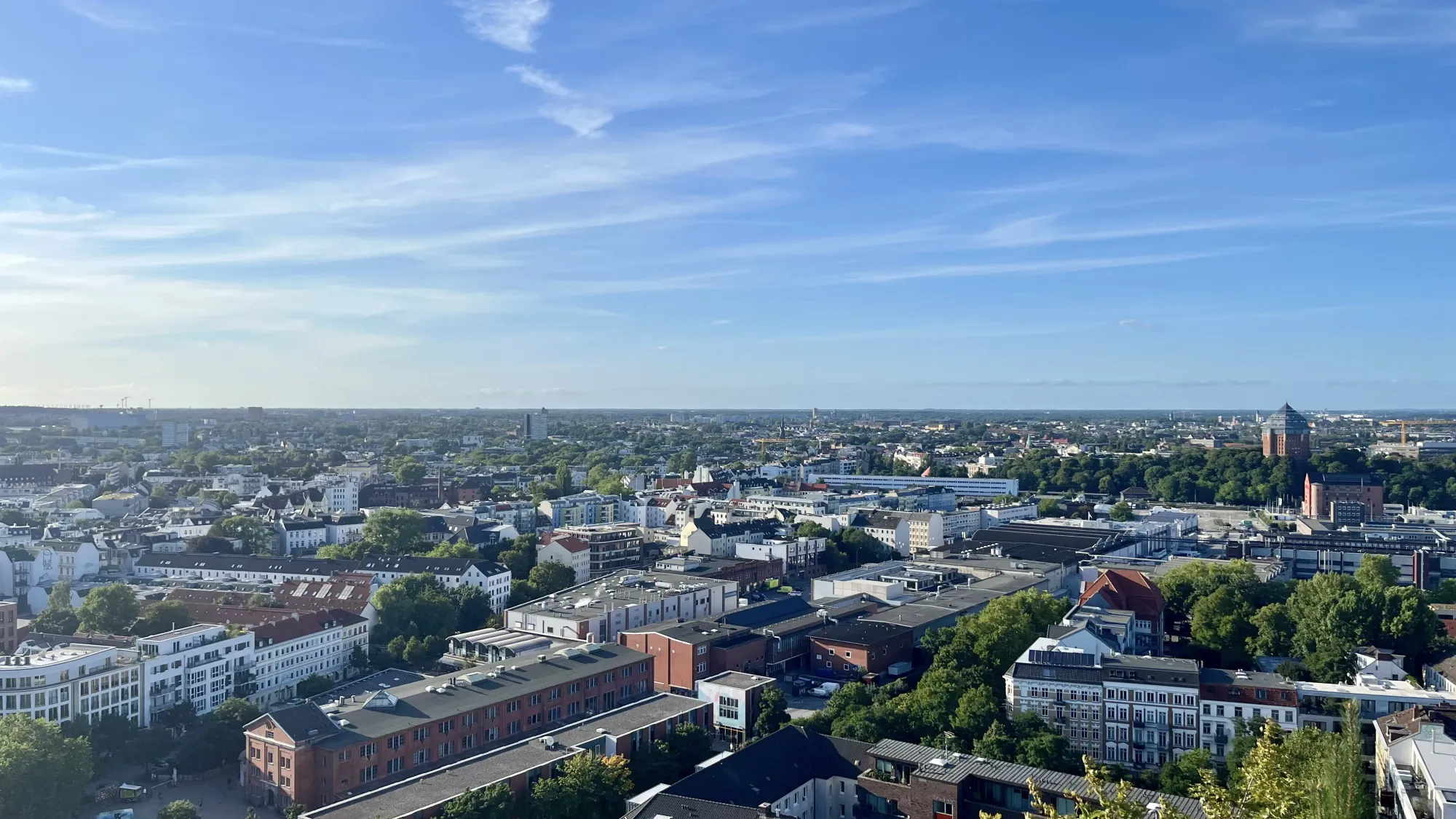
Go down to St. Pauli and it changes again. The Reeperbahn does not look like anything else in this city.
Follow the Elbe west to Altona, where the Fischmarkt fills up early on Sunday morning and a band plays inside the old auction hall.
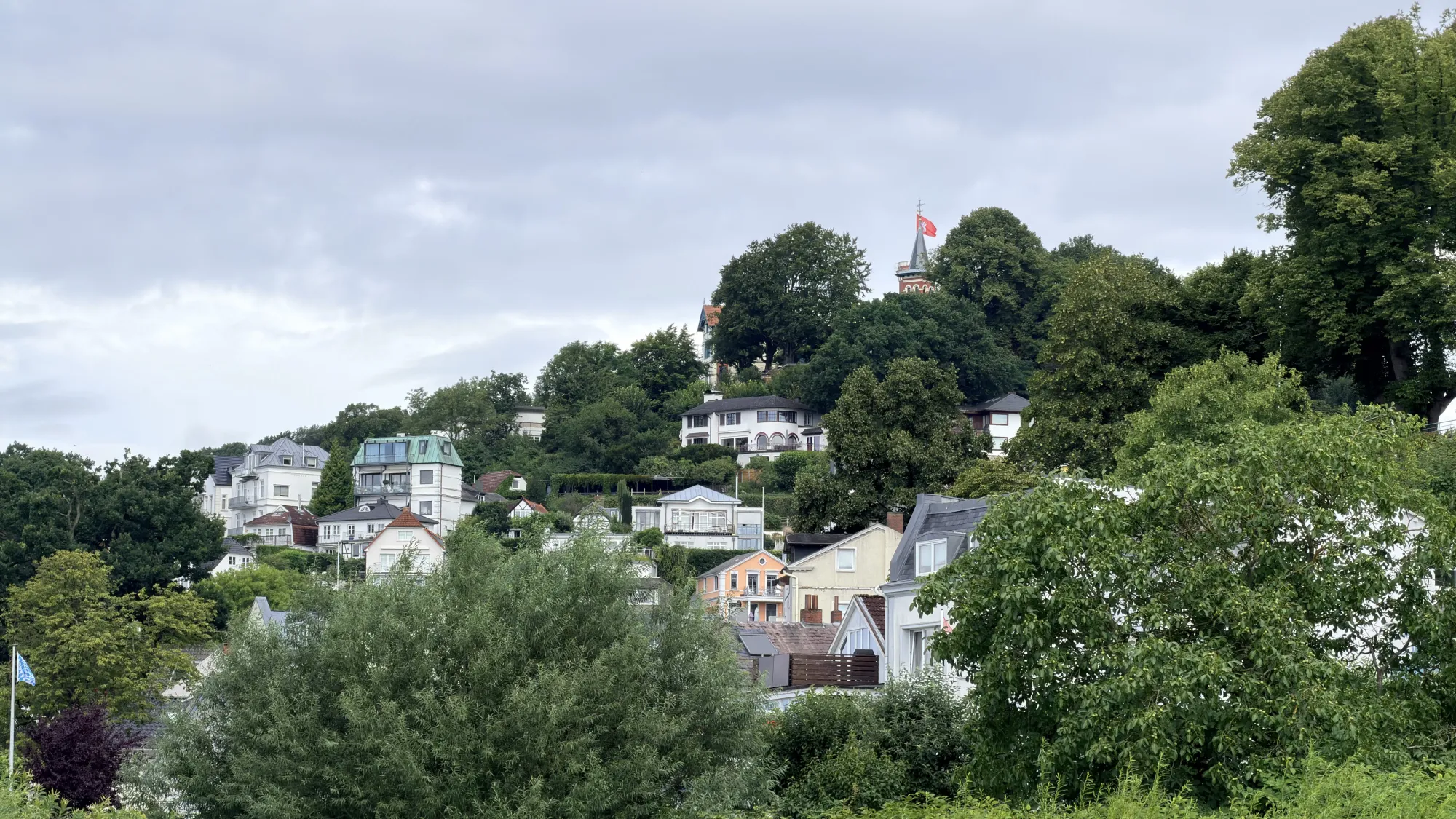
Keep going and you reach Blankenese, and you wonder if you're still in Hamburg, because the architecture changes. The flat city leaves itself to a hill with buildings on top of it, and the only way to move around is climbing the stairs. There are thousands of steps in the Treppenviertel, and when you get to the top you look down at the Elbe and the ships going out.
I go on and on. What I like about this diverse range of districts is that all of them are easily accessible by either public transportation or cycling. Even though I'm not using all the things that a district offers every time, I just like to have that option if I want to do it.
And while cycling between them, you are always surrounded by trees. I think that increases the enjoyment, because your commute doesn't feel like a commute but just enjoying a ride. Of course, the different kinds of architecture and many buildings with different tones of red bricks give a cohesion overall.
Hamburgers
A district is only buildings, streets and trees. What makes it different is the people who chose to be there, and that is the diversity I care about more.
Hamburg doesn't only attract people from other countries like me. It also attracts many people from different parts of Germany. And most of them seem to share similar values. They are more open minded and friendlier than what I have experienced in some other parts of the country. I'm not just saying this myself. In a survey this year, 61 percent of the people in Hamburg described their daily life as polite, which put Hamburg first among all federal states, while the average in Germany was around 42 percent. In another survey, people from the rest of the country said Hamburgers were the ones they liked the most.
You don't only notice these values in daily life. You also see them on the street, in big numbers.
When I participate in the Critical Mass or Fahrradsternfahrt, I feel emotional, because I feel like in this city there are thousands of people who think that cycling is important. That is also where I discovered Max Raabe's "Fahrrad fahr'n", on a Friday afternoon, coming out of a speaker another cyclist was carrying. Now it plays in my head whenever I cycle through the city. When I participate in demonstrations against the far right, or in CSD, I feel like there are many people like me who think that diversity and inclusivity are important.
Those are just a couple of them, but Hamburgers don't shy away from showing their opinion on the street. Seeing all these people who share the same values makes me feel closer to calling myself a Hamburger. I feel so connected to this city that when I travel and stay more than 3 days away, I immediately start feeling homesick.
Wahlhamburger
And that's where the word comes in. When I came across Wahlhamburger for the first time, I honestly didn't know what it really meant. Then I found out that it describes my situation perfectly. I wasn't born here, but I feel like I belong here. A Hamburger by choice.
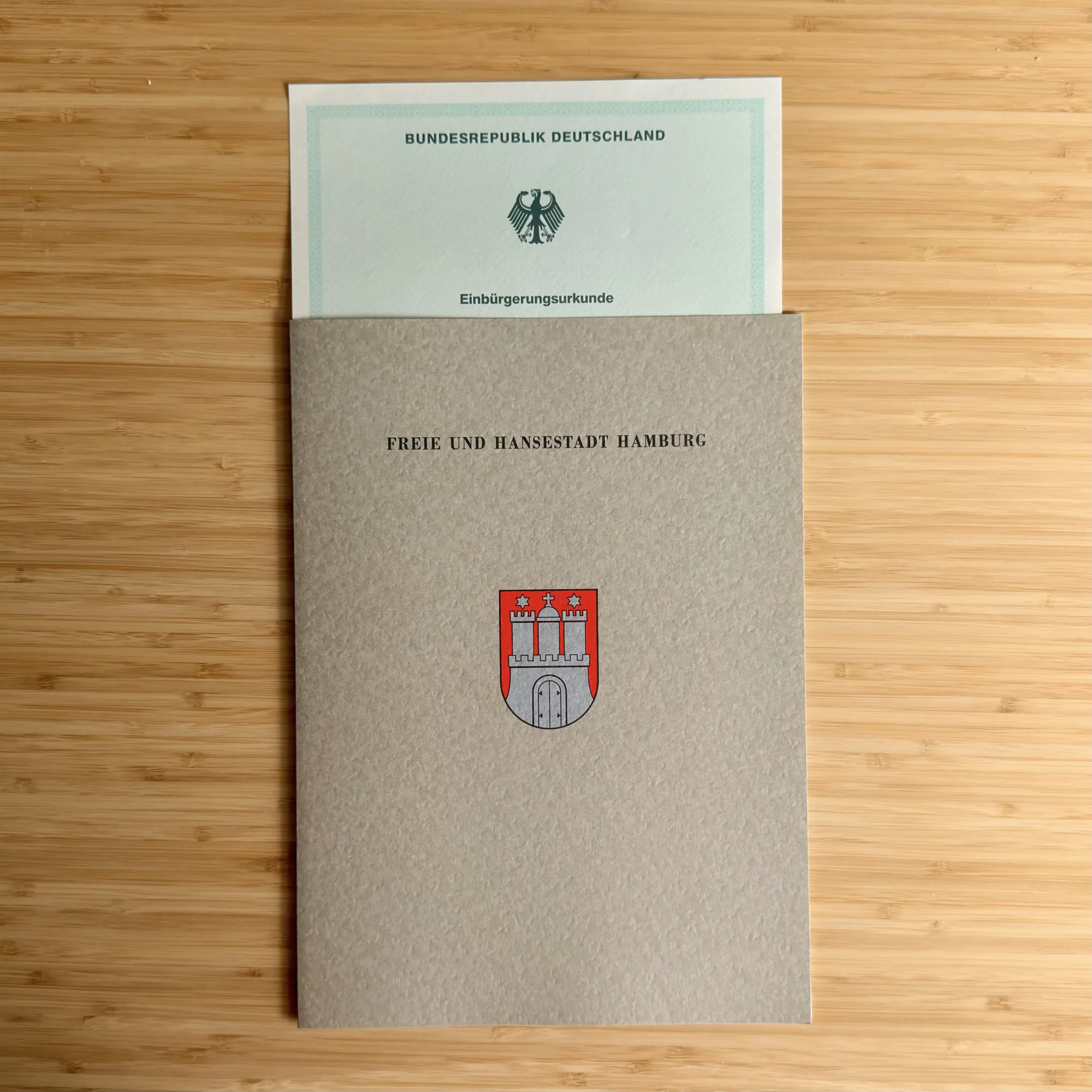
The funny part about this word is that Wahl also means election. Until last week, I couldn't take part in one, because I didn't have German citizenship. After eight years here, I finally can. Trees on the streets I cycle through, bike lanes that don't disappear at the next junction, and rents that don't push people out of the districts I just wrote about. Those are the things I'll be voting for.